
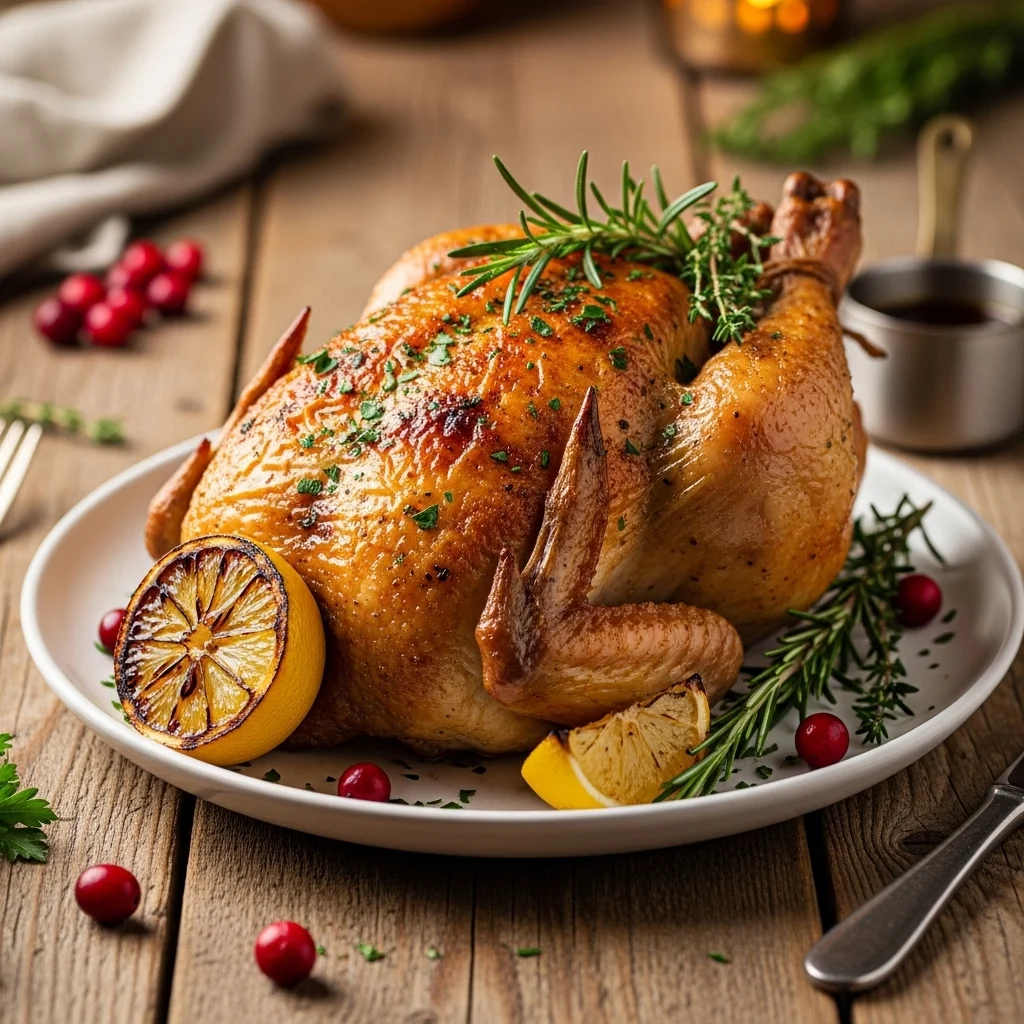
A properly executed brine transforms ordinary poultry into a succulent centerpiece. This culinary technique, revered by chefs and pitmasters alike, infuses meat with moisture and seasoning before heat ever touches it. The result is chicken that tastes seasoned throughout rather than merely on the surface. Precision, patience, and proportion are the triumvirate that define a superior brine.
Why Brining Is the Secret to Juicy, Flavorful Chicken
Brining is not culinary folklore. It is a method grounded in chemistry that prevents dryness and amplifies savoriness. When chicken soaks in a saline solution, it absorbs liquid and dissolved flavor compounds. During cooking, that retained moisture acts as a safeguard against dehydration, yielding meat that remains tender even under high heat.
Best Chicken Brine Recipe for Flavor Packed Meat
- Prep Time
10 minutes - Cook Time
Varies by cooking method
- Total Time
2 hours 10 minutes - Servings
4 servings - Courses
Main Course - Cuisines
American, Universal - Calories
Approx. 60 kcal per serving (brine absorption estimate)
- Equipment
- Large nonreactive bowl or container
- Measuring cups and spoons
- Whisk or spoon
- Refrigerator space
- Tongs
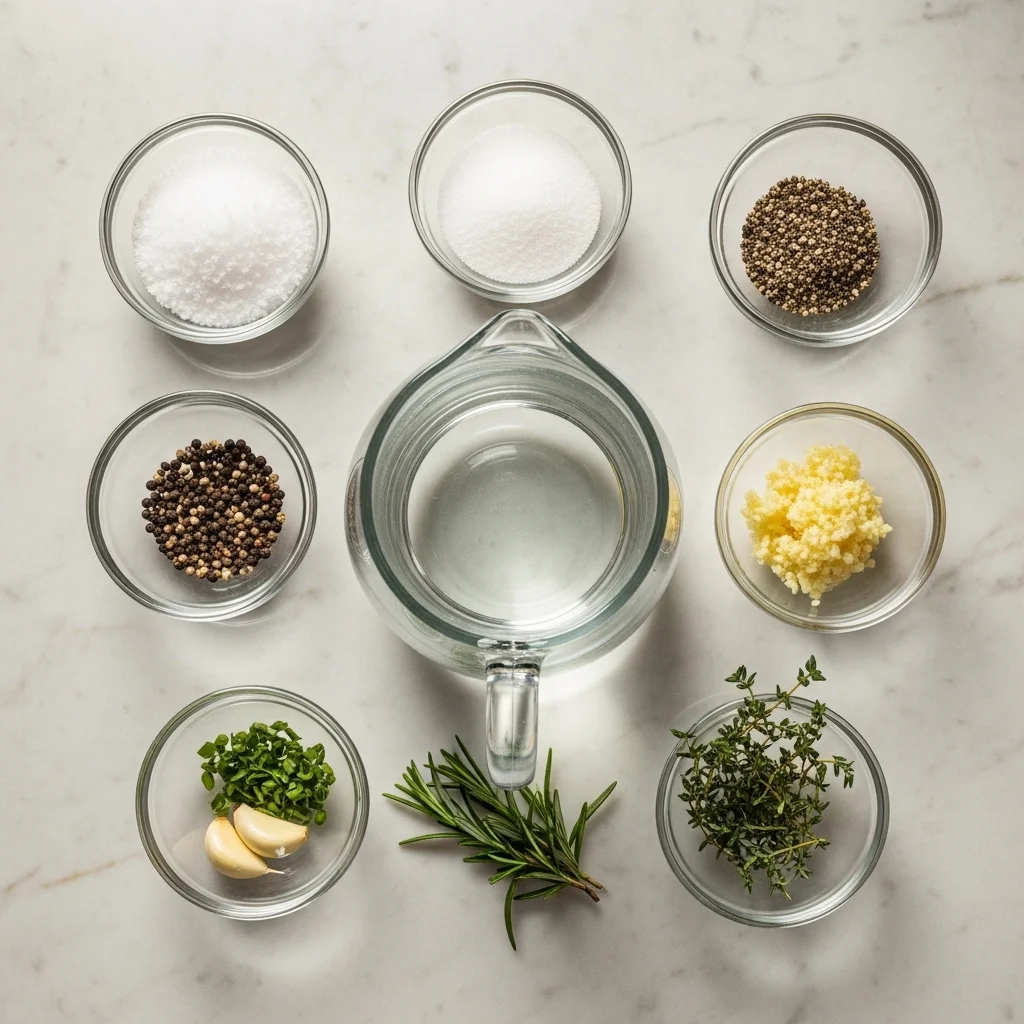
- Ingredients
- 4 cups cold water
- 4 tablespoons kosher salt
- 2 tablespoons sugar
- 3 cloves garlic crushed
- 1 teaspoon black peppercorns
- 2 bay leaves
- Optional herbs such as thyme or rosemary
- Instructions
- Combine water salt and sugar in a bowl and stir until fully dissolved.
- Add garlic peppercorns bay leaves and herbs if using.
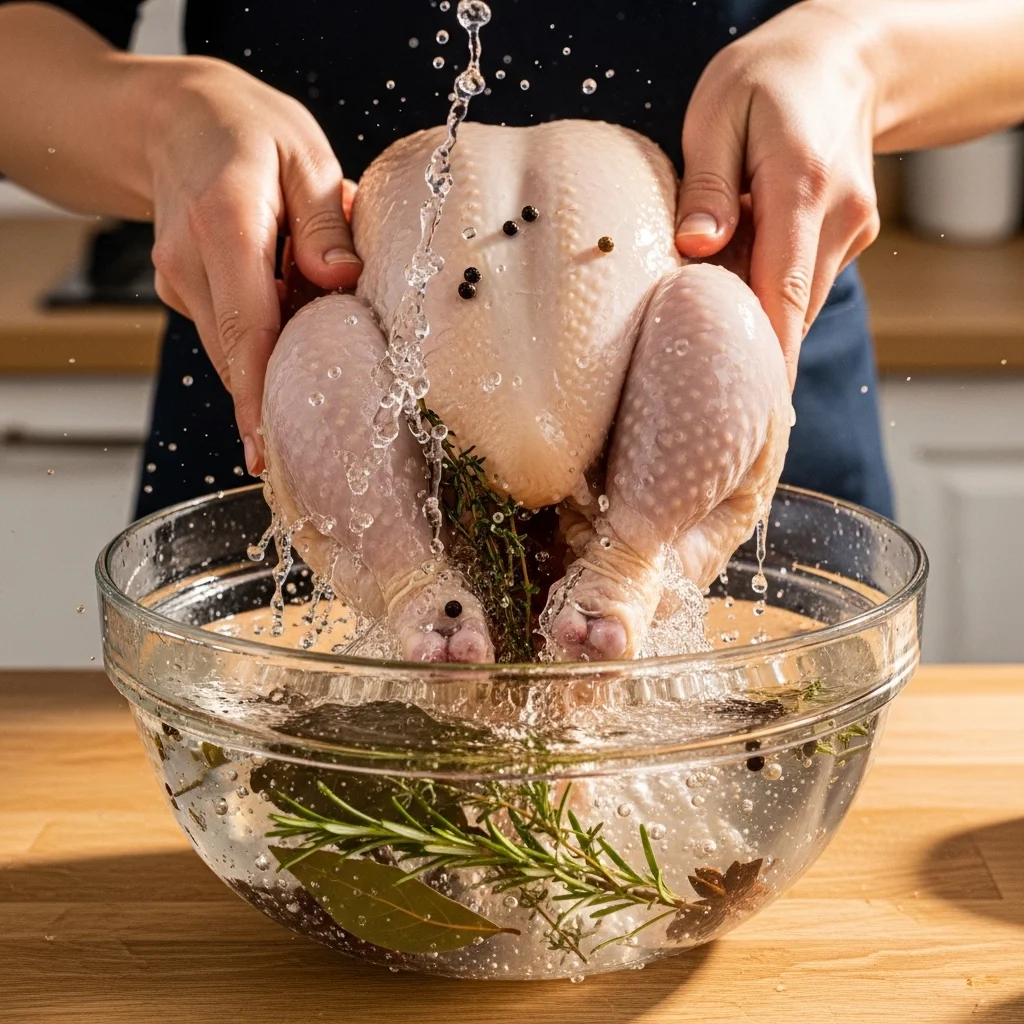
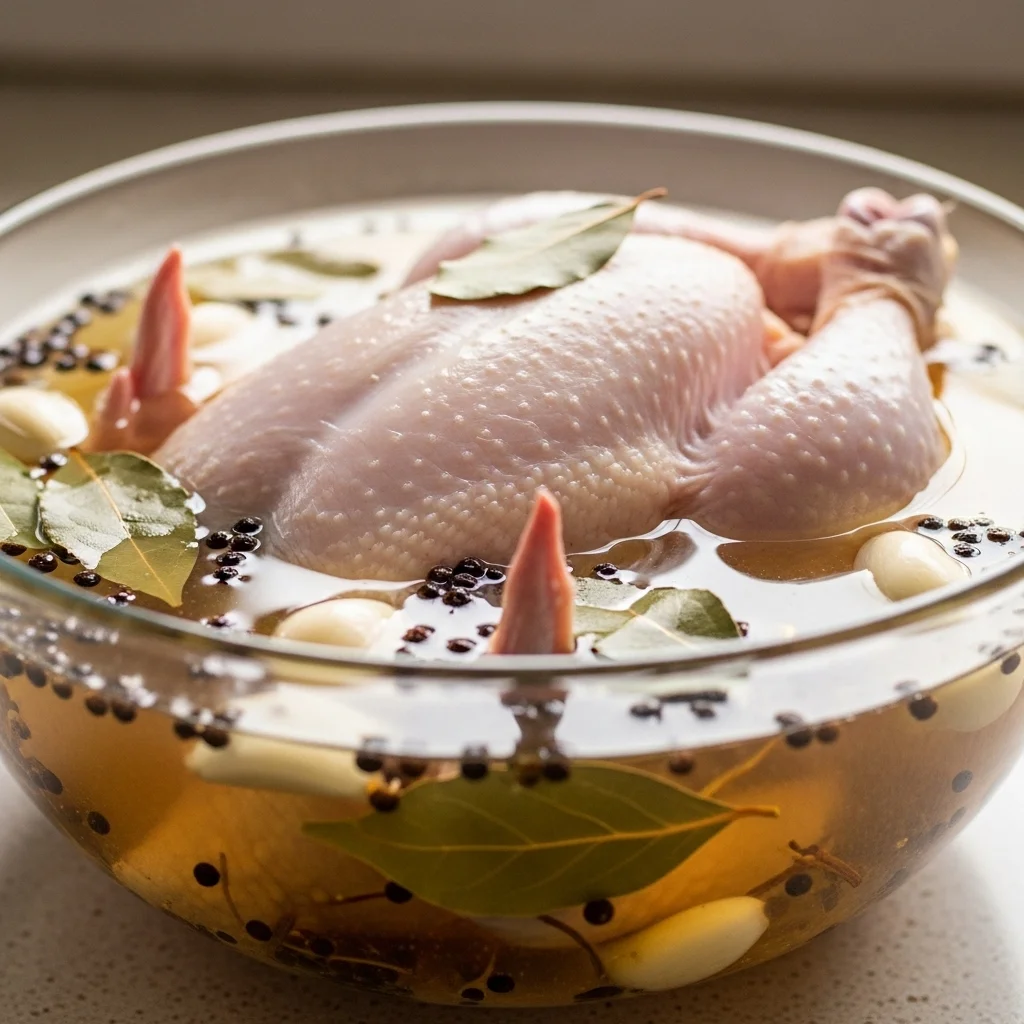
- Submerge chicken completely in the brine.
- Cover and refrigerate for 2 to 12 hours depending on cut size.
- Remove chicken rinse lightly and pat dry before cooking.
- Notes
- Use filtered water for the cleanest taste.
- Reduce added salt in seasoning after brining.
- Do not reuse brine once raw poultry has soaked in it.
- Nutrition Information
- Calories 60 kcal
- Sodium 580 mg
- Carbohydrates 3 g
- Sugar 2 g
- Protein 0 g
- Fat 0 g
Why You’ll Love This Recipe
Delivers consistently juicy chicken.
Enhances flavor internally not just on the surface.
Works with any cooking method.
Simple ingredients and minimal effort.
Storage and Reheating Instructions
Store cooked chicken in an airtight container in the refrigerator for up to 4 days. Reheat gently in an oven at 300°F until warmed through to preserve moisture. Avoid microwaving for long periods to prevent dryness.
Serving Suggestions
Serve with roasted vegetables buttered rice fresh salad or crusty bread. Light citrus sauces or herb gravies complement the savory depth beautifully.
What Makes This Chicken Brine Recipe Stand Out
An exceptional brine balances salinity, aromatics, and subtle sweetness. It does not overwhelm; it enhances. The formulation highlighted here emphasizes equilibrium, ensuring the chicken’s natural flavor remains dominant while nuanced undertones develop in every bite.
Understanding the Science of Brining
How Salt Transforms Texture and Moisture
Salt alters muscle fibers at a microscopic level. It dissolves certain proteins and loosens their structure, allowing them to retain more liquid. This structural shift prevents the fibers from contracting excessively during cooking, preserving tenderness.
The Role of Osmosis and Protein Breakdown
Osmosis drives water and dissolved seasonings into the meat while drawing out some internal juices. Simultaneously, salt initiates mild protein denaturation, which softens texture and creates a more palatable mouthfeel. It is controlled transformation rather than breakdown.
Benefits of Using a Chicken Brine Recipe
Enhanced Flavor From the Inside Out
Unlike surface seasoning, brining distributes flavor throughout the meat’s interior. Each slice tastes seasoned rather than bland at the core.
Improved Tenderness for Every Cut
Lean cuts such as breasts benefit dramatically. Dark meat becomes even more luscious. The brine equalizes texture across the entire bird.
Consistent Cooking Results Every Time
Brined chicken is forgiving. Even if slightly overcooked, it remains moist and palatable, making it ideal for both novice cooks and professionals.
Essential Ingredients for the Perfect Chicken Brine
Choosing the Right Type of Salt
Kosher salt is preferred for its purity and ease of dissolution. Table salt can be used, but its finer grains require reduced quantities to prevent oversalting.
Water Quality and Why It Matters
Clean, neutral-tasting water ensures the brine does not introduce unwanted mineral or chlorine notes. Filtered water is optimal.
Optional Sweeteners for Balance
Sugar, honey, or maple syrup soften salt’s sharpness. Sweeteners also promote caramelization during cooking, producing an appealing golden crust.
Aromatics That Elevate Flavor
Garlic, bay leaves, peppercorns, herbs, and citrus peels add complexity. These elements impart subtle fragrance rather than overt seasoning.
Tools and Equipment Needed for Brining
Best Containers for Safe Brining
Nonreactive vessels such as glass, stainless steel, or food-grade plastic are essential. Reactive metals can impart metallic flavors and compromise safety.
Refrigeration Tips for Food Safety
Brining must occur under refrigeration to inhibit bacterial growth. Maintain a temperature below 40°F 4°C at all times.
Measuring Tools for Accurate Ratios
Precision matters. Measuring cups and a kitchen scale ensure the salt concentration remains within ideal parameters.
Basic Chicken Brine Recipe Formula
The Ideal Salt to Water Ratio
A standard ratio is about 1 tablespoon of kosher salt per cup of water. This concentration seasons effectively without overpowering.
Standard Brining Time Guidelines
Most chicken pieces require one to four hours. Whole birds may need up to twelve hours depending on size.
Adjustments for Different Chicken Cuts
Smaller cuts absorb salt faster and require shorter immersion. Larger birds benefit from extended brining for uniform penetration.
Flavor Variations to Customize Your Brine
Herb Infused Brine Ideas
Rosemary, thyme, sage, and parsley create an aromatic profile reminiscent of rustic cuisine. Fresh herbs provide brighter notes than dried.
Spicy Brine Blends for Bold Taste
Chili flakes, black pepper, paprika, and ginger produce warmth and complexity. These blends are ideal for grilling or frying.
Citrus Based Brine for Fresh Notes
Lemon, lime, or orange zest introduces brightness and subtle acidity that complements poultry beautifully.
Sweet and Savory Flavor Profiles
Combining brown sugar with garlic and soy sauce produces a multidimensional brine that balances sweetness, saltiness, and umami.
How Long to Brine Chicken for Best Results
Timing for Whole Chickens
Whole birds typically require 8 to 12 hours. This allows the solution to penetrate deeply without oversaturating the exterior.
Timing for Breasts, Thighs, and Wings
Breasts need about 1 to 2 hours. Thighs and drumsticks benefit from 2 to 4 hours. Wings often require only 1 hour.
Signs Your Chicken Is Perfectly Brined
The meat feels slightly plump and firm but not mushy. Color remains natural, and no excessive saltiness is detectable.
Step by Step Brining Process
Preparing the Brine Solution Properly
Dissolve salt and sugar completely in warm water. Undissolved granules lead to uneven seasoning.
Cooling the Brine Safely Before Use
Always cool the solution to refrigerator temperature before adding chicken. Warm brine can partially cook the meat and promote bacteria.
Submerging Chicken Correctly
Ensure the chicken is fully immersed. Weighting it with a plate may help maintain submersion.
Rinsing and Drying Before Cooking
After brining, rinse lightly to remove surface salt and pat dry. Dry skin promotes browning and crispness.
Common Mistakes to Avoid When Brining
Overbrining and How It Affects Texture
Excessive time leads to spongy, overly salty meat. Precision timing prevents this culinary misstep.
Using Too Much Salt
High concentrations overpower flavor and can make chicken inedible. Always measure carefully.
Skipping Refrigeration Safety
Leaving chicken at room temperature during brining invites bacterial proliferation. Cold storage is mandatory.
Cooking Methods After Brining
Roasting for Crispy Skin and Juicy Meat
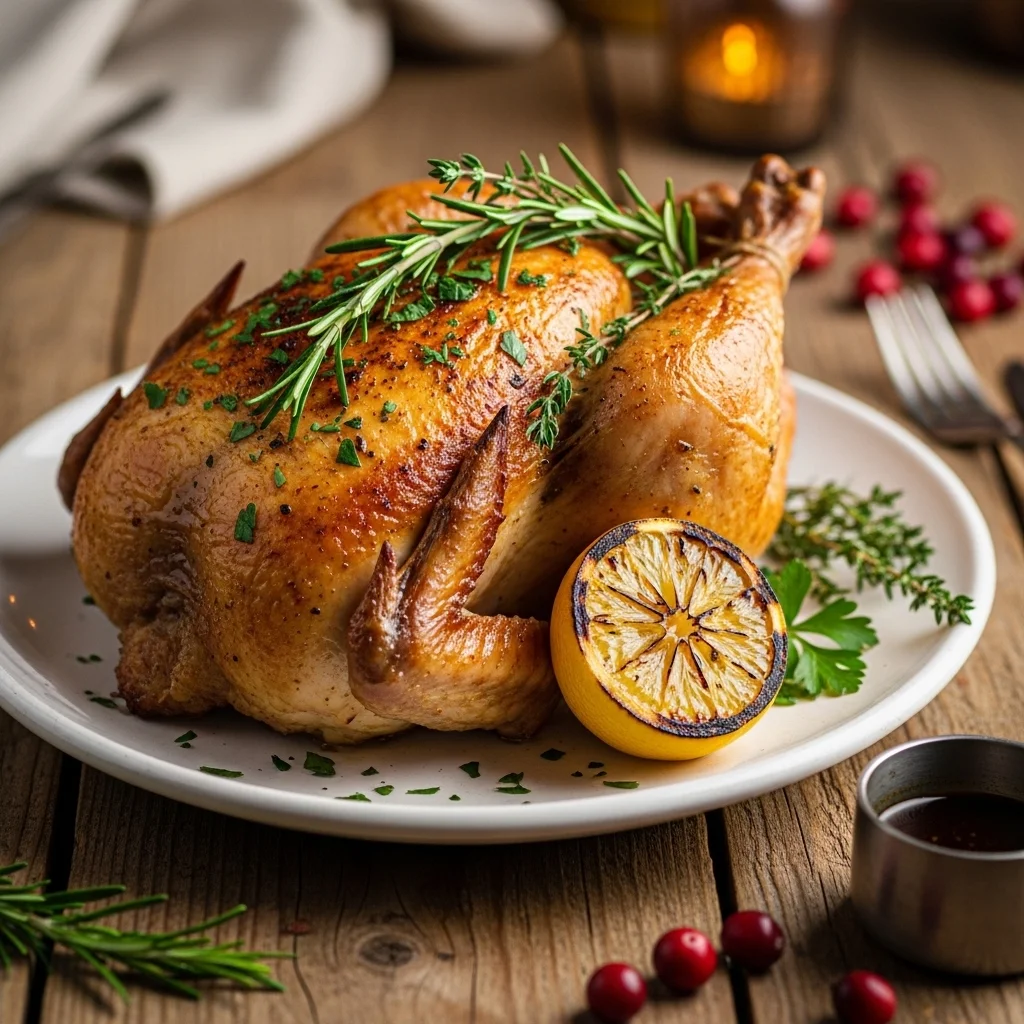
Roasting highlights the brine’s moisture retention, producing succulent flesh beneath crackling skin.
Grilling for Smoky Flavor
Grilling imparts charred complexity while the brine safeguards against dryness from direct heat.
Frying for Extra Crunch
Brined chicken fries exceptionally well because internal moisture contrasts with the crisp coating.
Smoking for Deep Infusion
Low, slow smoking allows aromatic compounds to meld with brined meat, creating profound depth.
How Brining Affects Seasoning and Marinades
Adjusting Salt in Rubs and Sauces
Because brined chicken already contains salt, external seasonings should be reduced accordingly.
Pairing Brined Chicken With Spice Blends
Herbaceous, smoky, or citrusy blends complement brined poultry without overwhelming its enhanced natural flavor.
Storage and Food Safety Tips
How to Store Brined Chicken Before Cooking
Keep brined chicken refrigerated and cook within 24 hours for optimal freshness.
Safe Disposal of Used Brine
Discard brine after use. Reusing it risks contamination and foodborne illness.
Shelf Life Guidelines
Cooked brined chicken keeps safely refrigerated for three to four days when stored properly.
Comparing Wet Brine vs Dry Brine
Key Differences in Technique
Wet brining uses a liquid solution, while dry brining relies on salt rubbed directly onto the meat.
Flavor and Texture Results Compared
Wet brines produce juicier meat. Dry brines yield more concentrated flavor and crisper skin.
When to Choose Each Method
Wet brines suit lean cuts and roasting. Dry brines excel for grilling and situations where skin crispness is paramount.
Nutritional Considerations of Brined Chicken
Sodium Content Explained
Brining increases sodium levels because salt penetrates the meat. Moderation is essential for those monitoring intake.
How to Reduce Salt Without Losing Flavor
Lower salt concentration slightly and compensate with herbs, spices, and aromatics to maintain complexity.
Expert Tips for Next Level Flavor
Layering Aromatics Strategically
Add delicate herbs toward the end of heating the brine to preserve volatile oils and fragrance.
Using Broth Instead of Water
Replacing part of the water with chicken broth intensifies savoriness and adds body to the final flavor.
Toasting Spices for Deeper Taste
Lightly toasting whole spices releases essential oils, creating a richer aromatic profile in the brine.
Frequently Asked Questions About Chicken Brining
Can Frozen Chicken Be Brined
Yes, but it must thaw completely first to ensure even absorption and safe handling.
Is Brining Necessary for All Recipes
Not always. Naturally fatty cuts may remain moist without brining, though flavor enhancement is still beneficial.
What to Do If Chicken Tastes Too Salty
Soak the cooked meat briefly in unsalted broth or serve with low-sodium sides to balance flavor.
Serving Ideas for Flavor Packed Brined Chicken
Side Dishes That Complement Brined Poultry
Roasted vegetables, herbed rice, and fresh salads provide contrast and balance.
Sauces That Pair Perfectly
Light gravies, citrus glazes, or yogurt-based sauces accentuate the chicken without masking it.
Presentation Tips for Maximum Appeal
Slice against the grain, arrange neatly, and garnish with fresh herbs for a refined presentation.
Final Thoughts on Mastering the Best Chicken Brine Recipe
Mastery of brining is a culinary milestone. With precise ratios, thoughtful flavoring, and careful timing, chicken becomes consistently succulent and richly seasoned. This foundational technique elevates everyday meals into memorable dining experiences, proving that a simple salt solution can deliver extraordinary results.