
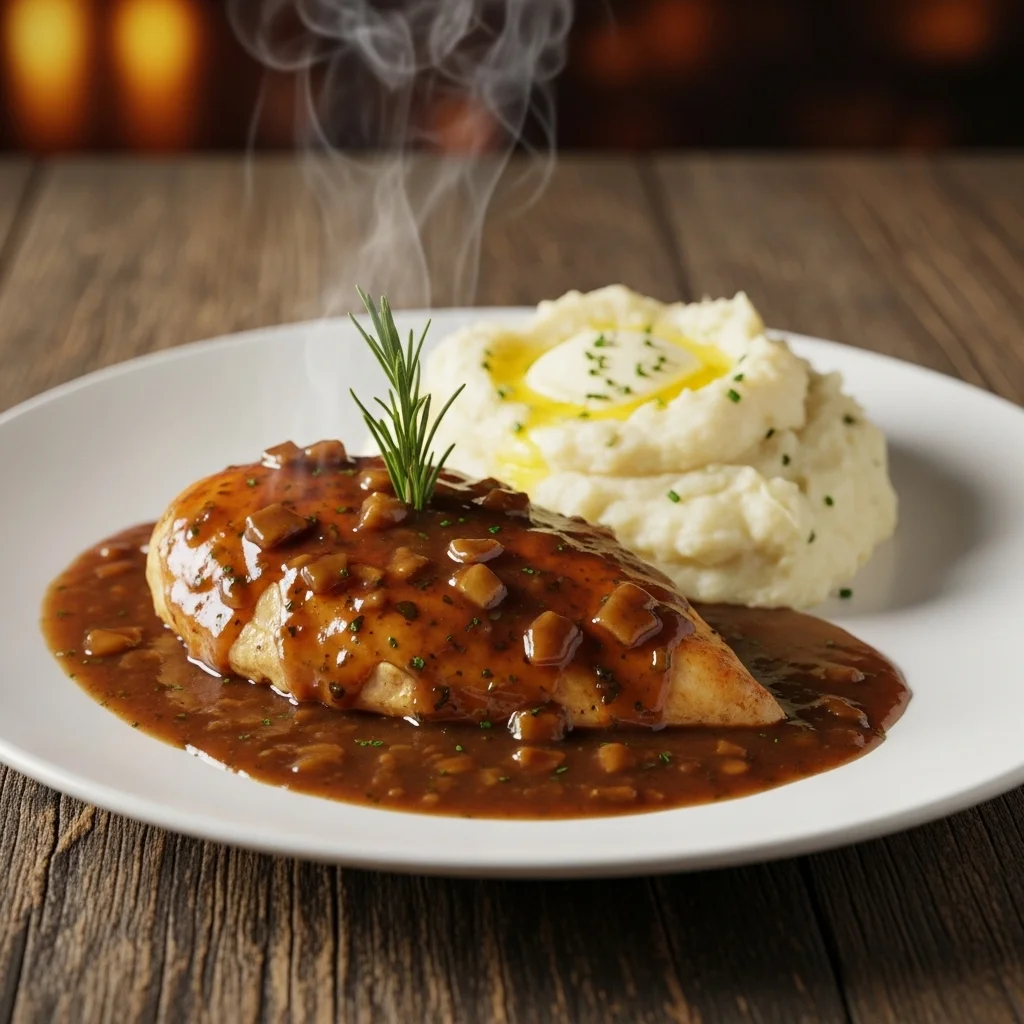
Smothered chicken epitomizes culinary comfort. Rich gravy. Tender meat. Deeply layered flavor. This dish blends simplicity with indulgence, making it accessible to novices yet satisfying for seasoned cooks. With the right approach, anyone can transform humble ingredients into a luxuriant meal worthy of repetition.
Why Smothered Chicken Is a Comfort Food Classic
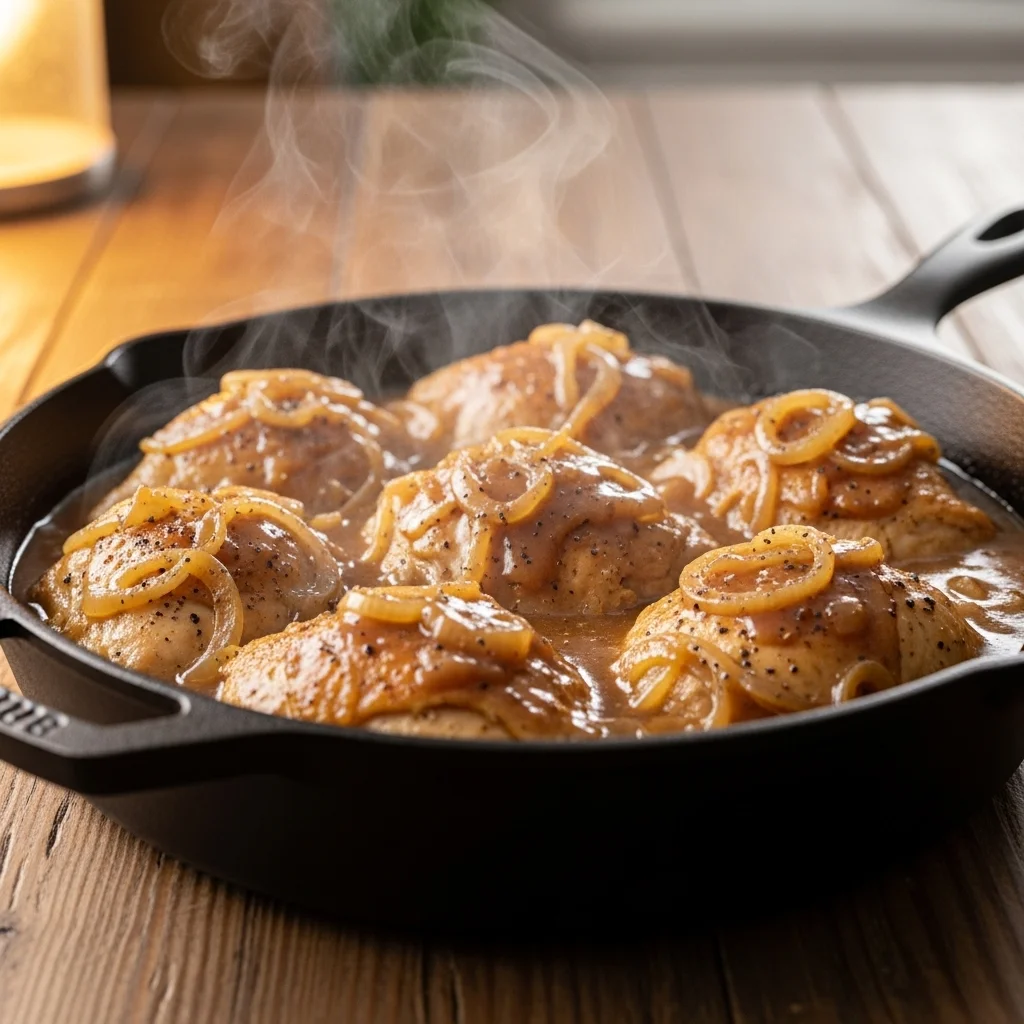
Few dishes evoke warmth like smothered chicken. Its velvety gravy and succulent texture create a sensory experience that feels nostalgic and restorative. The slow simmer melds flavors into a harmonious whole, offering the kind of satisfaction often associated with home kitchens and family gatherings.
What Makes This Version Truly Beginner Friendly
This method avoids complicated techniques. Clear steps, forgiving cook times, and common pantry ingredients ensure success even for first-time cooks. The process is intuitive, not intimidating.
Easy Smothered Chicken Recipe Anyone Can Master
Prep Time 15 minutes Cook Time 40 minutes Total Time 55 minutes Servings 4 servings Courses Main Course
Cuisines Southern American Calories Approx. 420 kcal per serving
- Equipment
- Large skillet or Dutch oven
- Mixing bowls
- Whisk
- Tongs
- Measuring cups and spoons
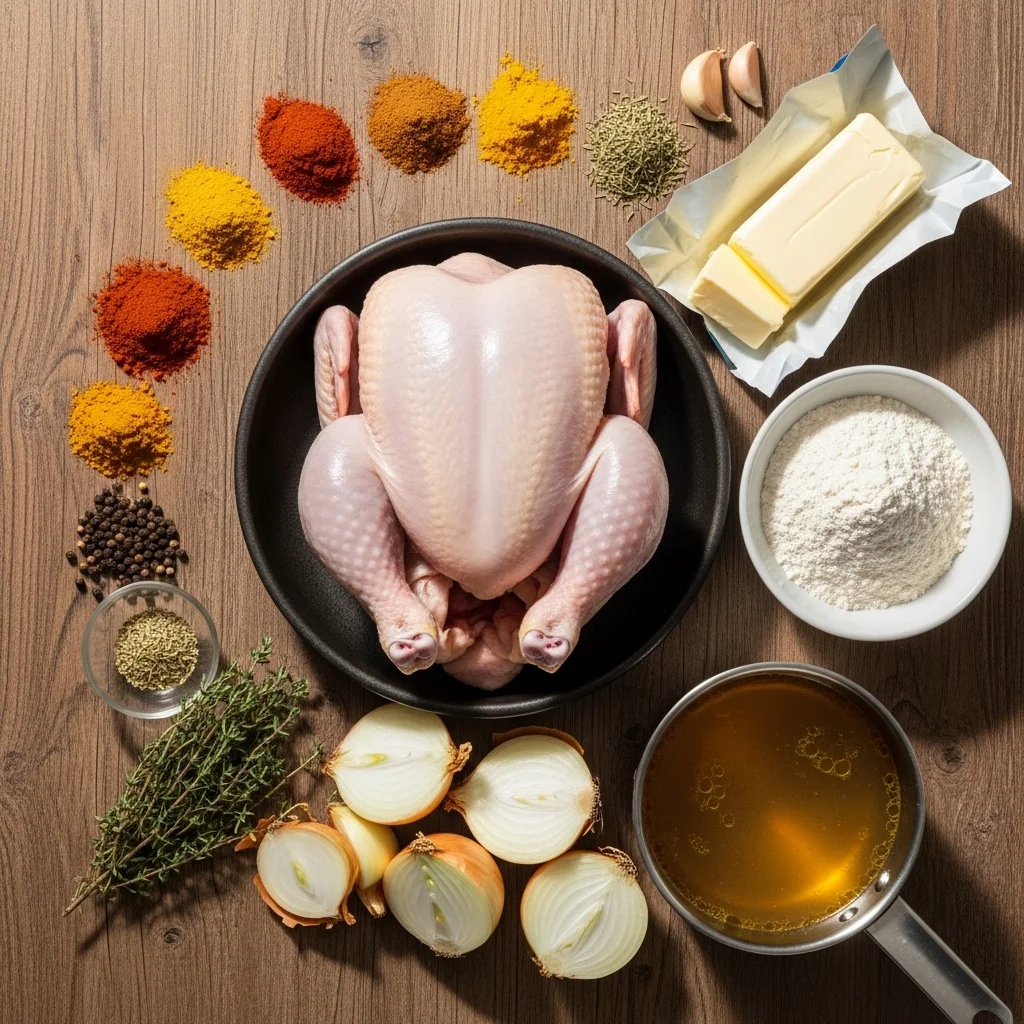
- Ingredients List
- 4 bone in chicken thighs or drumsticks
- 1 cup all purpose flour
- 2 cups chicken broth
- 1 medium onion sliced
- 3 tablespoons butter or oil
- 2 teaspoons paprika
- 1 teaspoon garlic powder
- 1 teaspoon onion powder
- Salt to taste
- Black pepper to taste
- Fresh parsley optional
- Instructions
- Season chicken with salt pepper paprika garlic powder and onion powder.
- Lightly dredge chicken in flour and shake off excess.
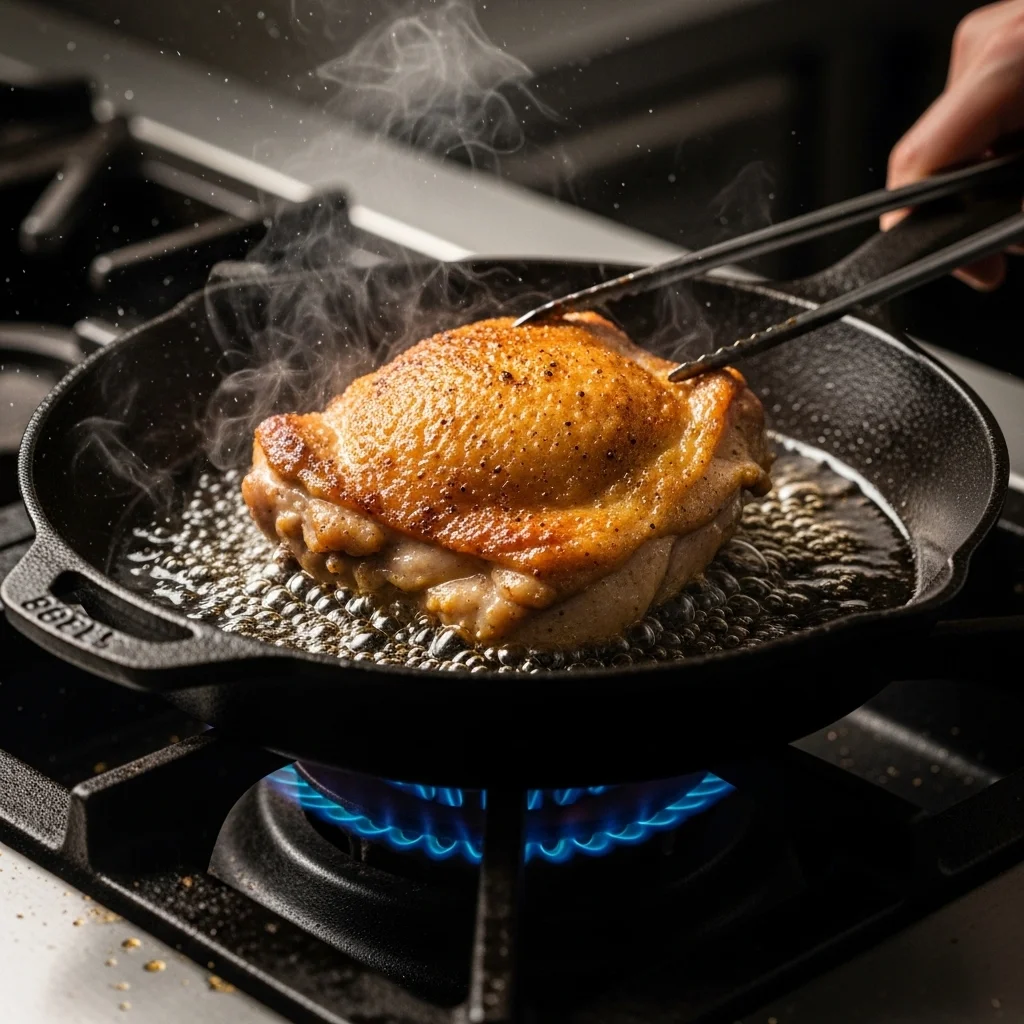
- Heat butter or oil in skillet and sear chicken until golden on both sides. Remove and set aside.
- Add onions to pan and sauté until soft.
- Stir in remaining flour to form a roux and cook until lightly golden.
- Gradually whisk in chicken broth until smooth gravy forms.
- Return chicken to pan cover and simmer 30 minutes until tender and cooked through.
- Garnish with parsley and serve warm.
Notes
Use bone in chicken for best flavor and tenderness.
Adjust broth quantity for thinner or thicker gravy.
Taste gravy before serving and adjust seasoning.
Nutrition Information
Calories 420 kcal
Protein 32 g
Fat 22 g
Carbohydrates 18 g
Sodium 620 mg
Why You’ll Love This Recipe
Simple beginner friendly method
Rich comforting flavor
Uses pantry ingredients
Perfect for family meals
Versatile and customizable
Storage and Reheating Instructions
Store cooled chicken in an airtight container in the refrigerator for up to 4 days. Reheat gently on the stovetop with a splash of broth to restore moisture and prevent thickened gravy from sticking.
Serving Suggestions
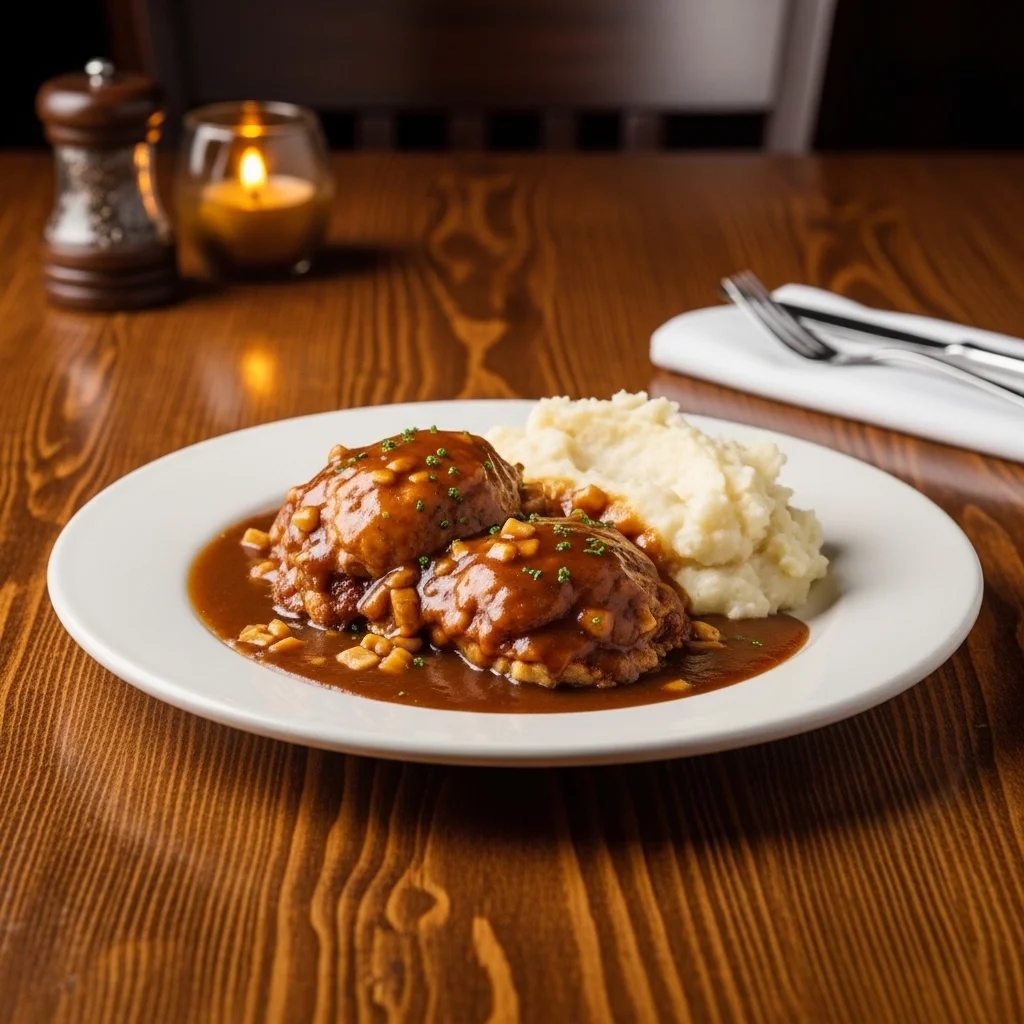
Serve with mashed potatoes steamed rice buttered noodles cornbread or sautéed greens for a balanced comforting plate.
Understanding Smothered Chicken Basics
What Smothered Cooking Means
Smothering refers to gently cooking food in a covered pan with liquid, allowing steam and sauce to tenderize the protein. It is neither braising nor frying alone but a hybrid technique combining searing and simmering.
Origins and Culinary Roots of Smothered Chicken
The dish traces its lineage to Southern American cuisine, influenced by African, French, and Creole culinary traditions. Resourceful cooks used slow cooking to soften tougher cuts and stretch flavors with gravy.
Key Ingredients Overview
Choosing the Best Chicken Cuts
Bone-in thighs and drumsticks reign supreme. Their higher fat content withstands prolonged cooking without desiccation. Breasts may be used, though they require vigilance to avoid dryness.
The Role of Gravy in Smothered Chicken
Gravy is not merely a sauce; it is the dish’s backbone. It conveys flavor, moisture, and richness while binding all elements into a cohesive composition.
Essential Seasonings for Authentic Flavor
Salt, black pepper, paprika, garlic powder, and onion powder create a foundational profile. Herbs such as thyme or parsley introduce aromatic complexity.
Kitchen Tools You Will Need
Must Have Cookware for Best Results
A heavy skillet or Dutch oven ensures even heat distribution. Thick bases prevent scorching and allow controlled simmering.
Optional Tools That Make Cooking Easier
Tongs for turning chicken, a whisk for smooth gravy, and an instant-read thermometer for precise doneness can simplify the process.
Preparing Chicken for Maximum Flavor
Cleaning and Trimming Properly
Pat chicken dry and trim excess skin or fat. Dry surfaces promote browning, while trimming prevents greasy sauce.
Seasoning Techniques That Penetrate Deep
Season generously and allow the chicken to rest briefly. This short curing period encourages spices to adhere and begin permeating the meat.
Dredging for Texture and Richness
Lightly coating chicken in seasoned flour creates a delicate crust and contributes starch that later thickens the gravy naturally.
Building the Perfect Smothered Chicken Base
How to Sear Chicken for Golden Color
Cook chicken in hot oil until it develops a bronzed exterior. Resist turning too soon. Proper searing builds flavor through caramelization.
Creating Flavorful Pan Drippings
The browned bits left behind—fond—are culinary treasure. Deglazing them with liquid releases concentrated flavor into the sauce.
Why Browning Is Essential for Taste
Browning initiates the Maillard reaction, producing complex savory compounds. Without it, the dish lacks depth.
Making the Signature Gravy
Choosing the Right Fat for Roux
Butter offers richness, while rendered chicken fat delivers robust savoriness. Neutral oils work but contribute less character.
Step by Step Roux Preparation
Combine fat and flour over medium heat. Stir constantly until the mixture turns lightly golden and smells nutty. This step stabilizes the gravy’s texture.
Balancing Thickness and Texture
Add liquid gradually while whisking. Too much at once risks lumps; too little yields paste. Consistency should resemble heavy cream.
Seasoning the Gravy Like a Pro
Taste repeatedly. Adjust salt, pepper, and spices incrementally. Seasoning is a dialogue, not a single decision.
Cooking Process Step by Step
Combining Chicken With Gravy
Return seared chicken to the pan, nestling it into the sauce so each piece is partially submerged.
Simmering for Tender Perfection
Cover and cook gently. Low heat coaxes connective tissue to soften, producing fork-tender meat.
Signs Your Chicken Is Fully Cooked
Juices run clear, internal temperature reaches 165°F, and the meat pulls easily from the bone.
Flavor Variations to Try
Southern Style Smothered Chicken
Incorporate onions, bell peppers, and a darker roux for a robust, traditional profile.
Garlic Herb Version
Add minced garlic, rosemary, and thyme for a fragrant, herbaceous interpretation.
Spicy Cajun Inspired Twist
Introduce cayenne, smoked paprika, and hot sauce for assertive heat and smoky undertones.
Creamy Mushroom Smothered Chicken
Simmer with sliced mushrooms and a splash of cream for earthy decadence.
Tips for Perfect Results Every Time
Avoiding Dry or Tough Chicken
Maintain gentle heat. Aggressive boiling tightens proteins and expels moisture.
Preventing Lumpy Gravy
Whisk continuously while adding liquid. Smoothness depends on constant motion.
Timing and Heat Control Secrets
Patience is paramount. Slow cooking develops flavor more effectively than rushing.
Common Mistakes and How to Fix Them
Overseasoning or Underseasoning
Dilute overly salty gravy with unsalted stock. If bland, add small pinches of seasoning and taste again.
Gravy Too Thin or Too Thick
Thin gravy can be reduced. Thick gravy can be loosened with warm broth.
Chicken Not Tender Enough
Extend simmering time. Toughness usually indicates insufficient cooking rather than excess.
Serving Suggestions for Smothered Chicken
Best Side Dishes to Pair
Mashed potatoes, rice, or buttered noodles absorb gravy beautifully. Steamed greens provide contrast.
How to Plate for Comfort Style Appeal
Place chicken centrally and ladle gravy generously over the top. Rustic presentation enhances its homestyle charm.
Garnishing Ideas for Extra Flavor
Fresh parsley, sliced scallions, or cracked pepper add color and brightness.
Storage and Reheating Guidance
How to Store Leftovers Safely
Refrigerate in airtight containers within two hours of cooking. Proper storage preserves both flavor and safety.
Best Reheating Methods Without Drying
Warm gently on the stovetop with a splash of broth. This restores moisture and prevents scorching.
Freezing Tips for Long Term Storage
Freeze portions in sealed containers for up to three months. Thaw overnight in the refrigerator before reheating.
Nutritional Overview
Estimated Calories and Macros
A typical serving ranges between 350 and 450 calories depending on fat content and portion size. Protein levels remain high due to the chicken base.
Ways to Make the Dish Lighter
Use skinless chicken, reduce oil, and substitute part of the gravy liquid with low-sodium broth.
Frequently Asked Questions
Can You Use Boneless Chicken
Yes. Reduce cooking time slightly to prevent overcooking.
Is Milk or Cream Necessary
Not at all. Traditional versions rely solely on broth for body and flavor.
Can This Recipe Be Made Ahead
Absolutely. In fact, resting overnight allows flavors to meld more profoundly.
Expert Cooking Tips for Mastery
Layering Flavors Gradually
Season at each stage rather than all at once. This builds complexity and prevents flatness.
Using Stock Instead of Water
Stock intensifies savoriness and lends depth unattainable with plain water.
Enhancing Depth With Aromatics
Onions, garlic, celery, and herbs act as flavor catalysts, enriching the entire dish.
Customization Ideas
Turning It Into a One Pot Meal
Add potatoes or rice directly to the pan to cook alongside the chicken.
Adding Vegetables for Nutrition
Carrots, peas, spinach, or bell peppers increase vitamins and visual appeal.
Adjusting Spice Levels Easily
Modify heat with chili flakes or mild paprika depending on preference.
Pairing Ideas for a Complete Meal
Drinks That Complement the Dish
Iced tea, light white wine, or sparkling water cleanse the palate between bites.
Desserts That Balance the Savory Flavor
Light desserts such as fruit cobbler or lemon sorbet provide a refreshing finish.
Final Thoughts on Mastering Easy Smothered Chicken Recipe Anyone Can Master
Smothered chicken exemplifies how modest ingredients can yield extraordinary results. With deliberate technique, balanced seasoning, and patient simmering, the dish becomes a masterclass in comfort cuisine. Once perfected, it evolves from a simple recipe into a dependable culinary signature.