
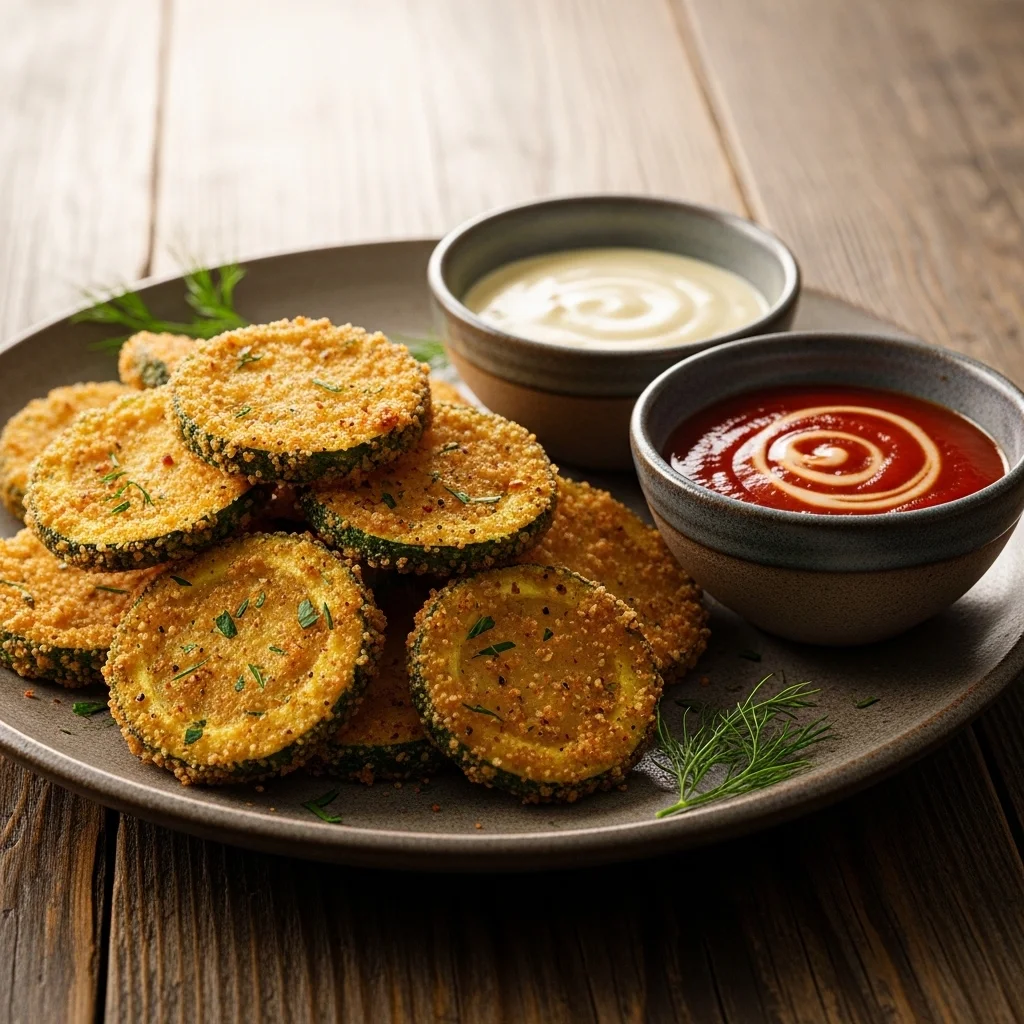
If you’ve ever tasted perfectly fried squash, you already know why it’s such a beloved comfort dish. The crisp coating, tender center, and savory flavor create a balance that’s hard to beat. The good news is that you don’t need restaurant skills or complicated equipment to get it right. With the right technique and a few smart tips, you can make fried squash that turns out golden, crunchy, and delicious every single time.
This complete guide walks you through everything you need—from choosing squash and oil to avoiding soggy coating mistakes—so you can confidently cook a batch that tastes like it came straight from a Southern kitchen.
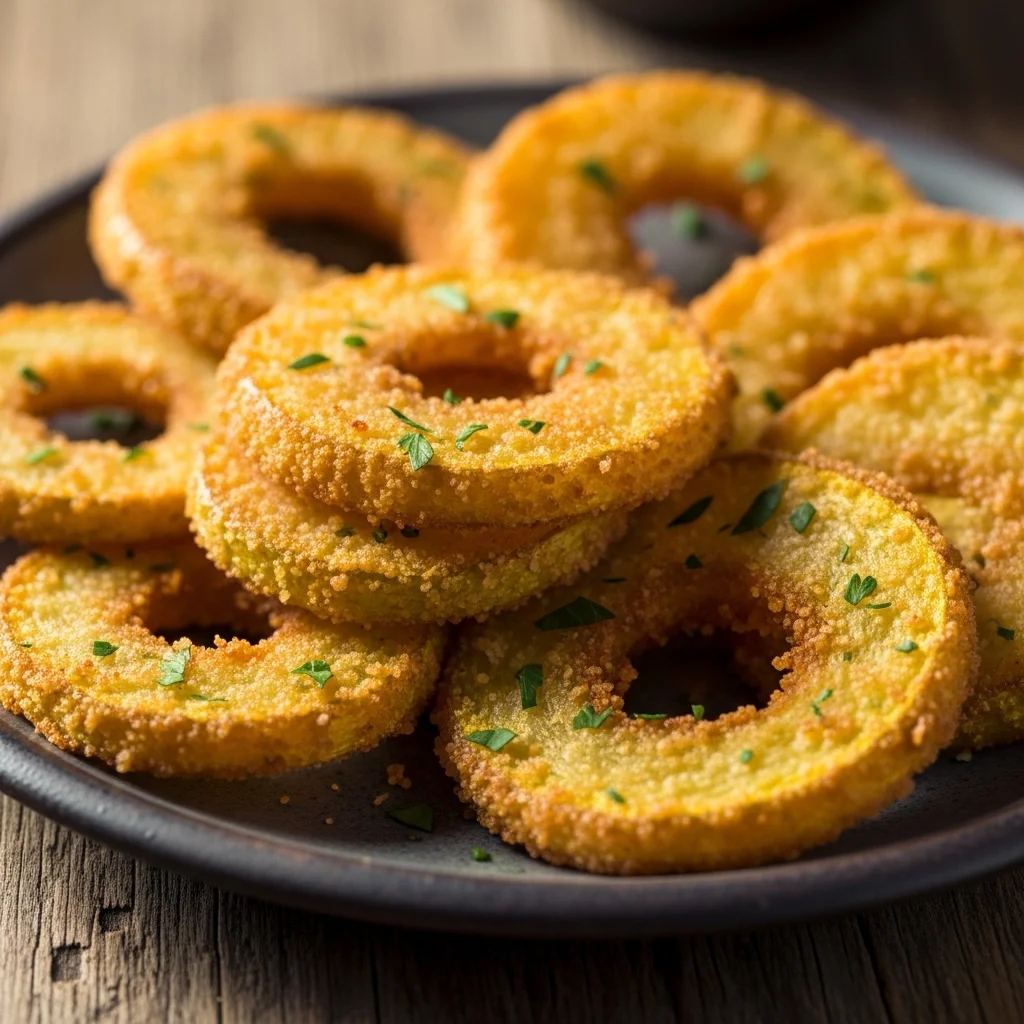
Why Fried Squash Is Worth Making
You might think fried squash is just another side dish, but it’s much more than that. When prepared properly, it becomes a star attraction on your plate.
Here’s why you should try it:
- It’s quick and budget-friendly
- Uses simple pantry ingredients
- Works as snack, appetizer, or side
- Pairs well with countless meals
- Offers crisp texture with soft interior
When you master this recipe, you’ll have a reliable dish that impresses guests and satisfies cravings alike.
How to Make the Perfect Fried Squash
Prep Time: 15 minutes
Cook Time: 10 minutes
Total Time: 25 minutes
Servings: 4
Courses: Side Dish / Appetizer
Cuisines: Southern American
Calories: 220 kcal
Equipment
Knife
Cutting board
Mixing bowls
Frying pan or deep skillet
Tongs
Paper towels
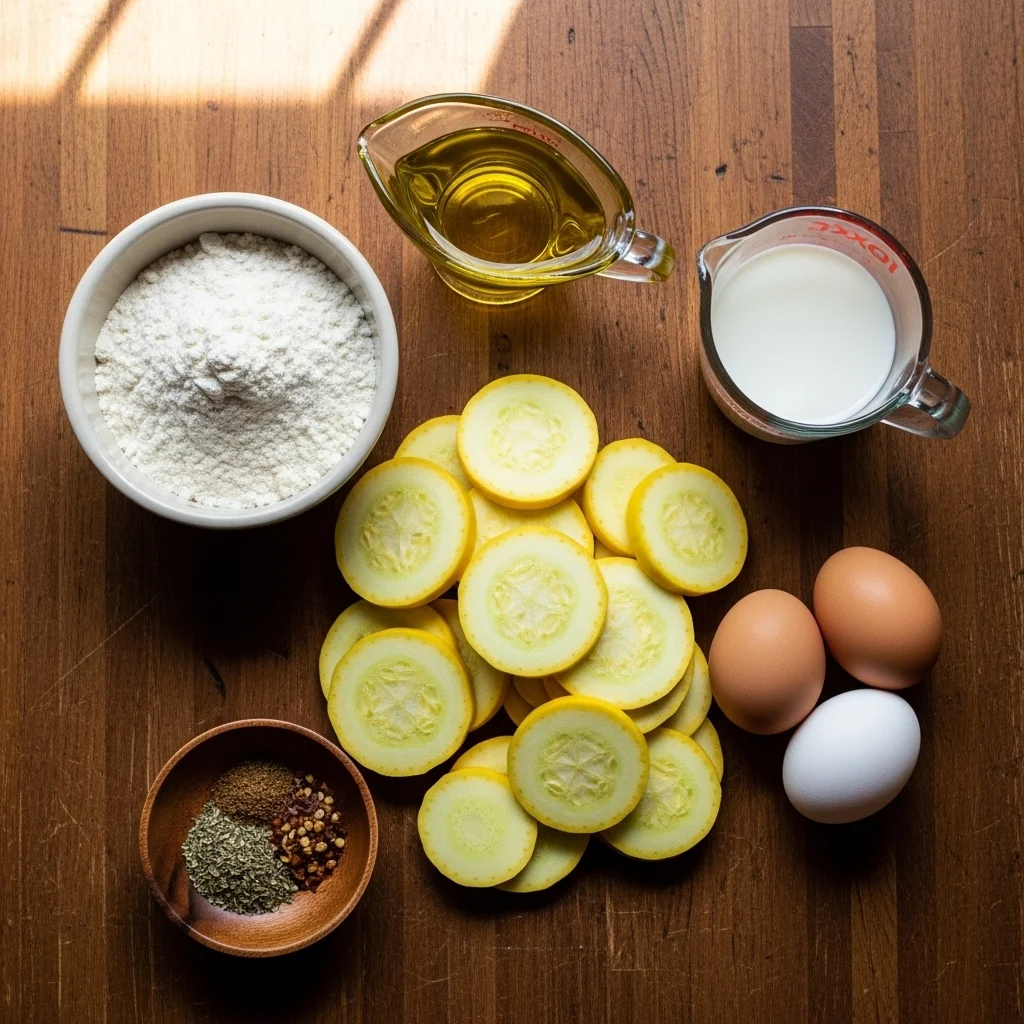
Ingredients
3 medium yellow squash
1 cup flour or cornmeal
1 egg
½ cup milk
1 tsp salt
½ tsp black pepper
Oil for frying
Instructions
- Slice squash into ¼-inch rounds.
- Pat dry with paper towel.
- Whisk egg and milk in bowl.
- Mix flour with salt and pepper.
- Dip slices in wet mixture, then coat in flour.
- Heat oil to 350°F.
- Fry slices 2–3 minutes per side until golden.
- Drain and serve hot.
Notes
Add paprika or garlic powder for extra flavor.
For extra crunch, mix cornmeal with flour.
Nutrition Information
Calories: 220
Carbs: 24g
Protein: 5g
Fat: 11g
Fiber: 2g
Choosing the Best Squash for Frying
Your results start at the market. The type of squash you choose affects texture, sweetness, and cooking time.
Best Varieties
Yellow Summer Squash
- Mild flavor
- Thin skin
- Cooks quickly
Zucchini
- Slightly firmer texture
- Subtle taste
- Holds shape well
Pattypan Squash
- Slightly nutty flavor
- Attractive shape for presentation
For beginners, yellow squash is the easiest to work with because it fries evenly and softens quickly without turning mushy.
How Freshness Affects Flavor and Texture
Fresh squash makes a noticeable difference. When selecting yours, look for:
- Bright color
- Smooth skin
- Firm texture
- No soft spots
Avoid oversized squash. Larger ones often contain more seeds and excess moisture, which can make frying tricky.
Essential Ingredients for Perfect Fried Squash
The magic of fried squash comes from a simple ingredient list. Each component plays a role in crispness and flavor.
Core Ingredients
- Fresh squash
- Flour or cornmeal
- Egg or buttermilk
- Salt and pepper
- Cooking oil
Optional flavor boosters
- Paprika
- Garlic powder
- Cajun seasoning
- Parmesan cheese
Even small seasoning additions can elevate your dish from ordinary to memorable.
The Secret to Crispy Coating
The difference between soggy squash and crispy squash usually comes down to coating technique.
Follow this method:
- Slice squash evenly so it cooks uniformly.
- Pat slices dry to remove excess moisture.
- Dip in egg or milk mixture.
- Coat in seasoned flour or cornmeal.
- Let coated slices rest for 5 minutes before frying.
That short resting step helps the coating adhere better and prevents it from falling off in hot oil.
Best Oil for Frying Squash
Oil choice matters more than most people realize. You want one that can handle high heat without burning.
Top choices
- Vegetable oil
- Canola oil
- Peanut oil
Avoid butter or olive oil for deep frying. They burn too quickly and affect flavor.
For food safety and oil temperature guidelines, consult recommendations from USDA, which advises maintaining proper frying temperatures to prevent greasy food and ensure safe cooking.
Ideal Frying Temperature
The perfect frying range is 350–375°F (175–190°C).
- Too cool → coating absorbs oil and turns soggy
- Too hot → outside burns before inside cooks
If you don’t have a thermometer, test oil with a small piece of batter. If it sizzles immediately and rises to the top, it’s ready.
Step-by-Step Guide: How You Make It Perfect
Follow these steps carefully and your fried squash will come out crisp, golden, and flavorful.
Step 1 — Slice Properly
Cut squash into ¼-inch rounds. Thinner slices crisp faster; thicker ones stay softer.
Step 2 — Season Early
Lightly salt slices before coating. This enhances flavor from the inside out.
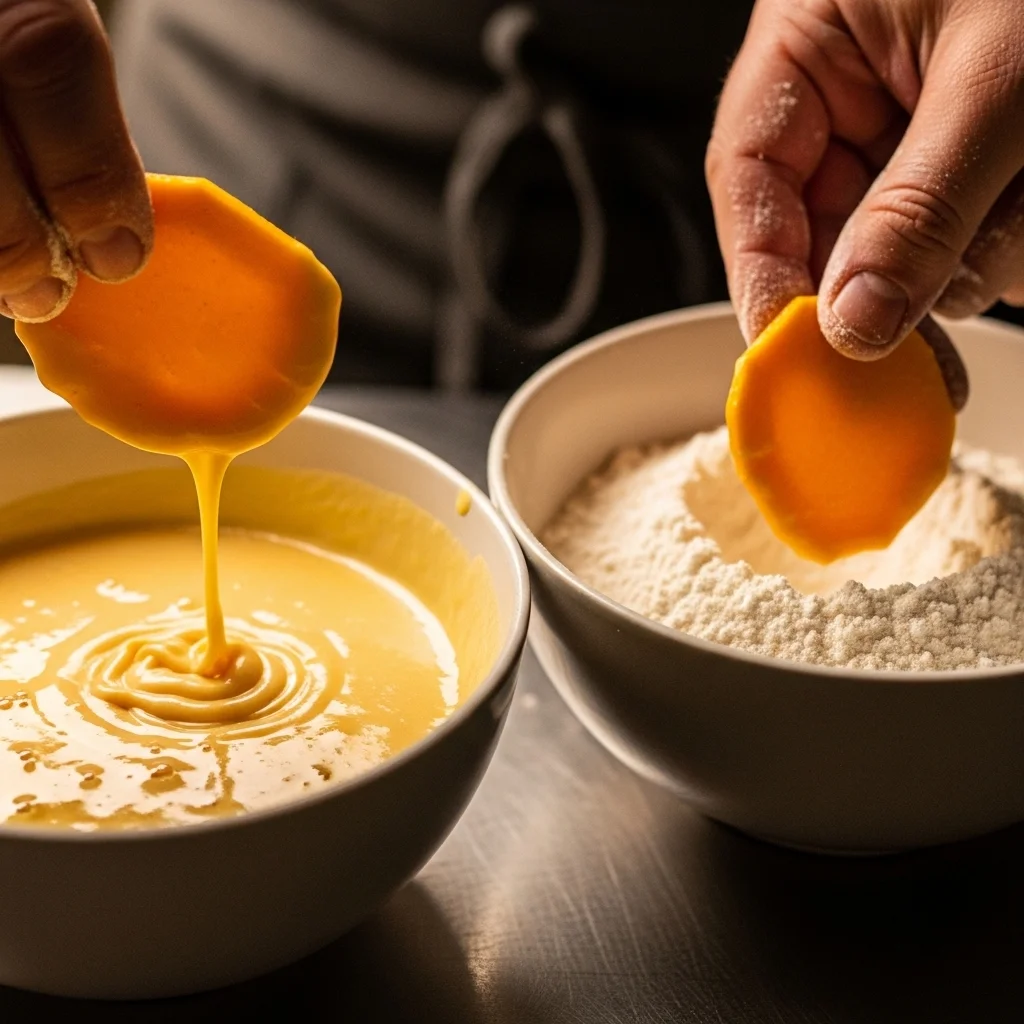
Step 3 — Prepare Breading Station
Set up two bowls:
Wet mixture (egg + milk)
Dry mixture (flour or cornmeal + seasoning)
Step 4 — Heat Oil
Heat oil to medium-high. Don’t rush this step—proper temperature ensures crisp texture.
Step 5 — Fry in Batches
Add slices without overcrowding. Overfilling lowers oil temperature and causes sogginess.
Step 6 — Drain Properly
Place fried squash on a rack or paper towel. This removes excess oil and keeps coating crisp.
Common Mistakes You Should Avoid
Even experienced cooks sometimes run into issues. Avoid these mistakes to guarantee success.
- Skipping drying step
- Overcrowding pan
- Using cold oil
- Overmixing batter
- Frying too long
Fixing these small details can transform your results instantly.
Flavor Variations to Try
Once you master the classic recipe, you can experiment with different flavors.
Savory Twists
- Ranch seasoning
- Cajun spice
- Garlic parmesan
Crunch Boosters
- Crushed crackers
- Panko breadcrumbs
- Cornflake crumbs
Spicy Versions
- Chili powder
- Cayenne pepper
- Hot sauce in batter
These variations keep your dish exciting and customizable.
Nutrition Overview
Fried foods should be enjoyed in moderation, but you can still keep them balanced. Pairing fried squash with vegetables, lean protein, or salads helps create a more complete meal. Dietary guidance from FDA emphasizes balancing indulgent foods with nutrient-dense choices.
How to Make Fried Squash Healthier
You don’t have to give up crispiness to make it lighter. Try these adjustments:
- Use an air fryer instead of deep frying
- Replace flour with whole-grain coating
- Use minimal oil for pan frying
- Add herbs instead of extra salt
These swaps reduce calories while keeping flavor intact.
Pro Tips for Restaurant-Quality Results
Professional cooks rely on technique, not fancy ingredients. You can use the same strategies.
- Always fry in small batches
- Season coating, not just squash
- Let oil return to temperature between batches
- Serve immediately for best texture
Consistency comes from controlling heat and timing.
Why You’ll Love This Recipe
- Quick cooking time
- Crispy texture every bite
- Budget-friendly ingredients
- Customizable seasoning
- Perfect for gatherings
Once you try it, you’ll see why this dish remains a classic favorite.
Storage and Reheating Instructions
How to Store Leftovers
Refrigerate in airtight container up to 3 days
Keep paper towel inside container to absorb moisture
Best Reheating Methods
Oven (Best Method)
Bake at 350°F for 8 minutes to restore crispiness.
Air Fryer
Heat 3–4 minutes for crunchy texture.
Avoid Microwave
It softens coating and makes squash soggy.
Serving Suggestions
Fried squash pairs beautifully with many meals. Try serving it alongside:
- Grilled chicken
- Barbecue ribs
- Burgers
- Fresh garden salad
- Roasted potatoes
You can also serve it with dipping sauces like ranch, garlic aioli, or spicy mayo.
Creative Ways to Use Leftover Fried Squash
If you have leftovers, don’t just reheat them—reinvent them.
- Chop into wraps
- Add to sandwiches
- Mix into salads
- Layer in casseroles
- Use as taco filling
Transforming leftovers keeps meals interesting and prevents waste.
Kitchen Science: Why Frying Works
Frying creates crispness through a process called dehydration. Hot oil quickly evaporates surface moisture, forming a golden crust. That crust locks in the squash’s natural juices, giving you contrast between crunchy exterior and tender inside. Understanding this helps you control texture rather than guessing.
Budget Tips for Affordable Cooking
You can keep this dish inexpensive with a few smart choices.
- Buy squash in season
- Use store-brand flour
- Reuse oil safely (strain and store)
- Choose simple seasonings
Flavor doesn’t have to cost more—technique matters most.
Hosting Tip: Serve Fried Squash Like a Pro
If you’re cooking for guests, presentation adds impact.
Try these ideas:
- Serve in basket lined with parchment
- Garnish with parsley
- Sprinkle sea salt lightly
- Add dipping sauces in small bowls
Simple touches make your dish look restaurant-ready.
Troubleshooting Guide
Problem | Cause | Fix
Soggy coating | Oil too cool | Heat oil properly
Burnt crust | Oil too hot | Lower heat
Coating falls off | Squash too wet | Pat dry
Bland flavor | Not enough seasoning | Season coating
Keep this reference nearby while cooking.
Final Thoughts
Learning how to make the perfect fried squash isn’t complicated once you understand the fundamentals. When you control moisture, temperature, and seasoning, you gain full command of the outcome. That means every batch you make can be crispy, flavorful, and satisfying.
Try this recipe today and experiment with your favorite spices or dipping sauces. Once you find your perfect version, share it with friends or bookmark it so you can make it again anytime cravings strike.
Food safety frying temps: https://www.usda.gov
Healthy eating balance: https://www.fda.gov
Nutrition basics: https://www.nutrition.gov