
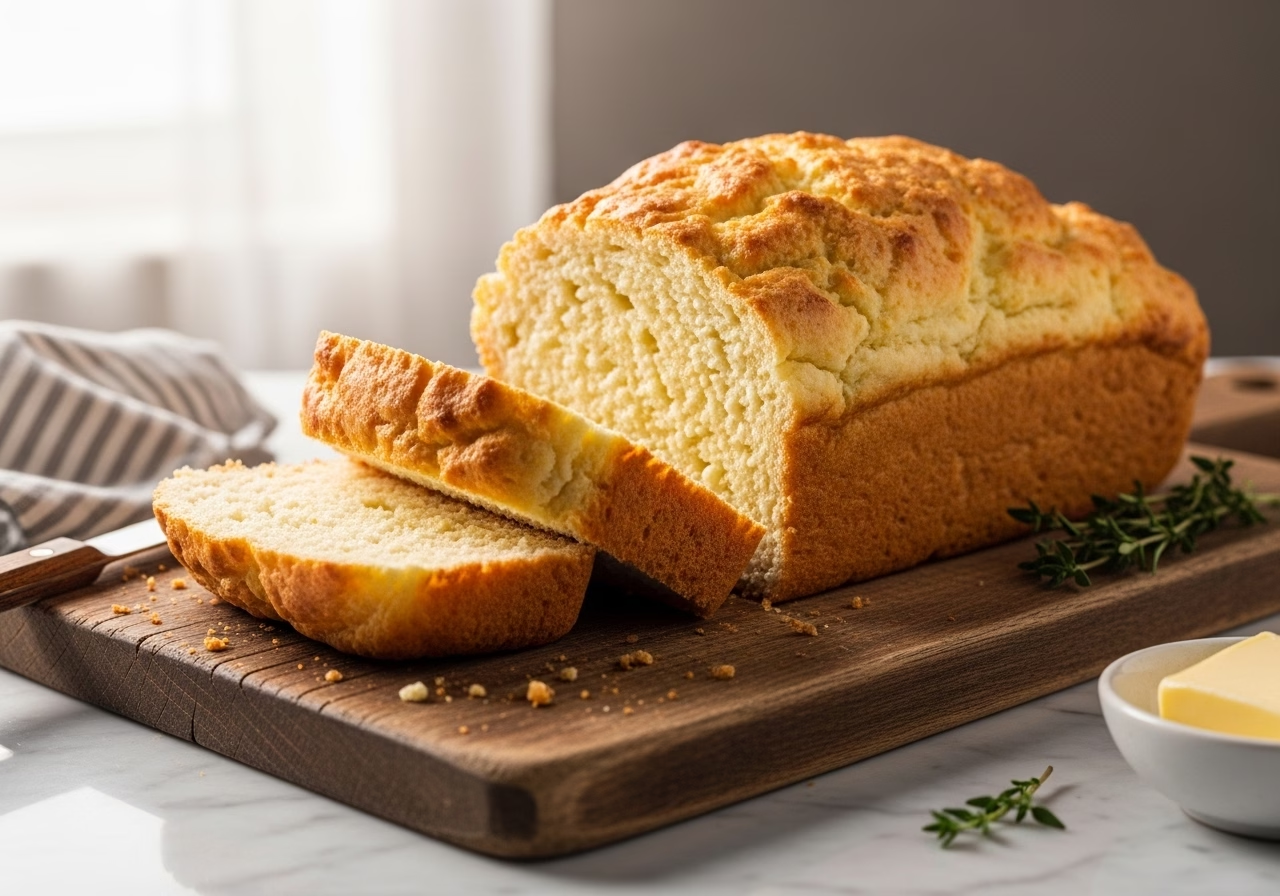
Soft, sliceable, surprisingly easy — this cottage cheese bread is rewriting the rules of healthy baking one loaf at a time.
⏱ 40 min total🍞 1 loaf / 8 slices💪 High protein🌾 Flourless option⭐ Easy difficulty
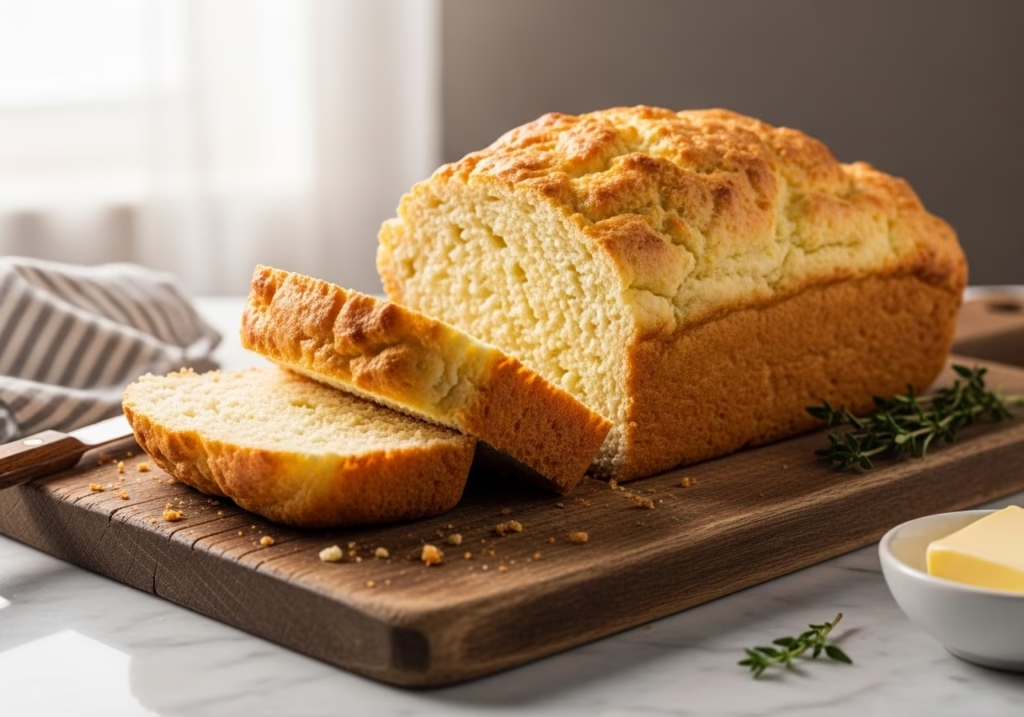
Let me set the scene. It’s 7 a.m., you want toast that actually keeps you full until noon, and you’re staring at a container of cottage cheese wondering if this is just going to be another sad breakfast or if it could somehow become bread. Spoiler: it can. And it’s way better than you think.
Cottage cheese bread has quietly become one of the most searched-for recipes on the internet — and for good reason. It’s high in protein, incredibly easy to make, works without flour or yeast in many versions, and the final loaf is soft enough to sandwich and sturdy enough to toast. I’ve made it probably a dozen times by now, and every time I serve it to someone new, the reaction is the same: “Wait, this is made with cottage cheese?”
Yes. Yes it is. And it’s time you tried it.
What Is Cottage Cheese Bread?
Cottage cheese bread is exactly what it sounds like — a bread (or bread-like loaf) made with cottage cheese as a primary ingredient. Depending on the version you make, it can be flourless, yeastless, low-carb, or gluten-free. What it’s always is: high in protein and surprisingly delicious.
The most popular versions use just a few ingredients — cottage cheese, eggs, and sometimes oats or almond flour — and come together in a blender before baking. The result is a dense but moist loaf that slices cleanly, toasts beautifully, and honestly tastes nothing like plain cottage cheese once it’s baked. The protein cooks out the tang, the eggs give it structure, and the whole thing comes out tasting like a wholesome, slightly savory bread you’d be happy to eat every morning.
Why Cottage Cheese Bread Is Having a Moment
We’re in a high-protein food era. Cottage cheese, once the wallflower of the dairy aisle, is now the main character — and rightly so. One cup of full-fat cottage cheese packs around 25 grams of protein and is rich in casein, the slow-digesting protein that keeps you satisfied for hours. When you bake it into bread, you’re basically turning your toast into a protein delivery vehicle. Nutritionists are fully on board.
The other reason this recipe is everywhere? It’s genuinely accessible. No stand mixer. No proofing time. No bread-baking experience required. In most versions, you dump everything in a blender, pour it into a loaf pan, and bake. That’s it.
One cup of full-fat cottage cheese contains approximately 25g of protein, 6g of fat, and just 6g of carbohydrates — making it one of the most macro-friendly ingredients you can bake with.
The Base Recipe: Easy Cottage Cheese Bread
3-Ingredient Blender Cottage Cheese Bread
No flour, no yeast, no fuss. Just a blender, a loaf pan, and about 40 minutes.
Prep5min / Bake35 min / Total40 min / Slices8 / Protein~12g/slice
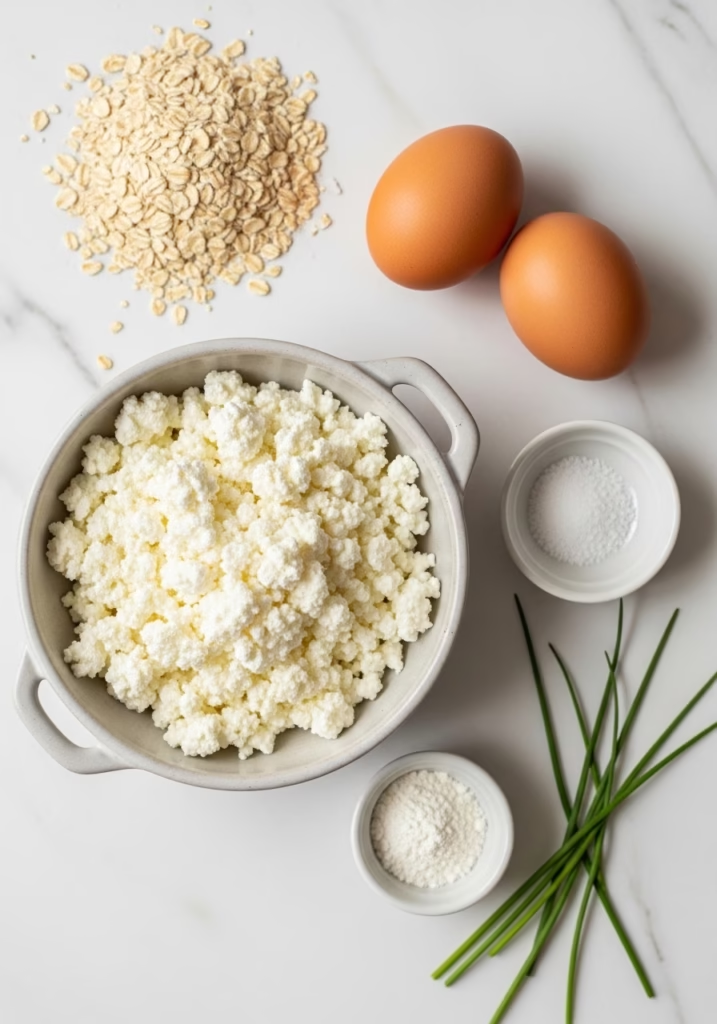
- 1 cup full-fat cottage cheese (small or large curd, both work)
- 2 large eggs
- 1½ cups rolled oats (or almond flour for low-carb/keto)
- Optional: 1 tsp baking powder, ½ tsp garlic powder, 1 tbsp everything bagel seasoning, pinch of salt
How to make it
1Preheat your oven to 350°F (175°C). Grease a standard 8×4 inch loaf pan or line it with parchment paper.
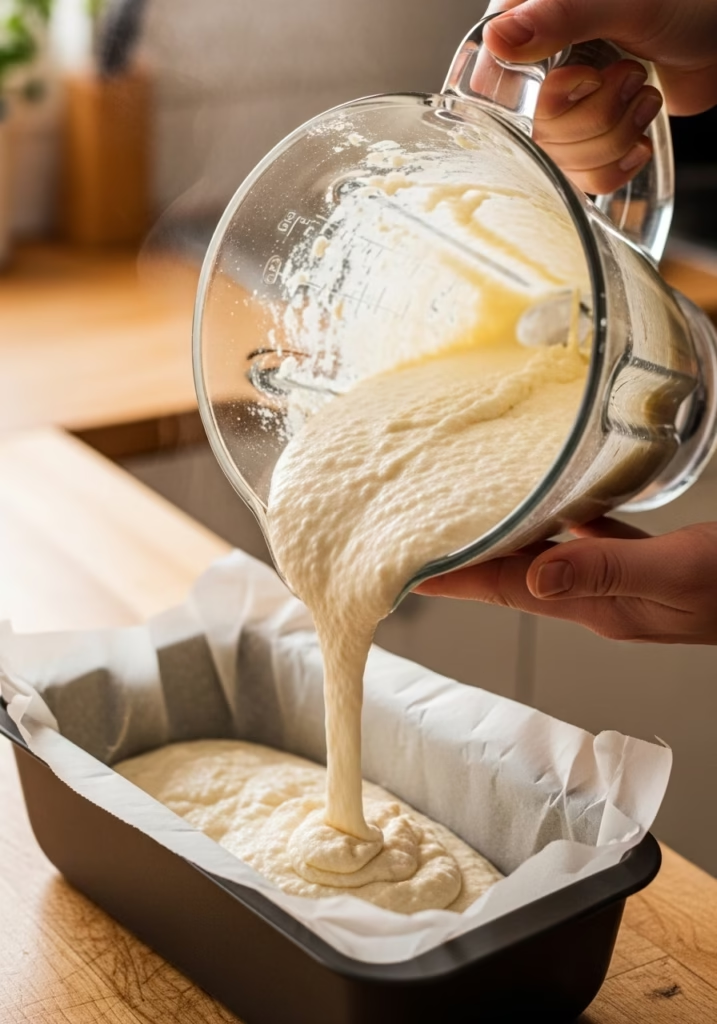
2Add cottage cheese, eggs, and oats (or almond flour) to a blender or food processor. Blend until completely smooth — about 60 seconds. The batter will be thick.
3Add any optional seasonings and pulse to combine. Taste the batter — this is your moment to adjust salt or seasoning.
4Pour batter into the prepared loaf pan. Smooth the top with a spatula. Sprinkle extra seasoning or seeds on top if desired.
5Bake for 30–35 minutes until the top is golden and a toothpick inserted into the center comes out clean.
6Let it cool in the pan for 10 minutes, then transfer to a wire rack. Don’t skip this step — it firms up significantly as it cools.
The cooling step is non-negotiable. Cutting into the loaf while still hot is the number one reason cottage cheese bread comes out soggy or gummy. Give it at least 20 minutes on the rack.
Does It Actually Taste Like Cottage Cheese?
This is the question everyone asks before they try it — and the honest answer is: not really. Once baked, the cottage cheese flavor essentially disappears into the background. What you’re left with is a mild, slightly savory, pleasantly dense bread that tastes wholesome rather than dairy-forward.
If you use oats as your base, you’ll get a slightly nutty, hearty flavor. Almond flour versions taste a bit richer and more cake-like. Add everything bagel seasoning and suddenly it tastes like a proper artisan loaf. The cottage cheese is less a flavor contributor and more a structural and nutritional workhorse. It keeps the bread moist, adds protein, and binds the whole thing without the need for flour or yeast.
Cottage Cheese Bread Variations Worth Trying
| Variation | Base Swap | Best For | Approx. Protein/Slice |
|---|---|---|---|
| Classic oat bread | Rolled oats | Toast, sandwiches, everyday use | ~12g |
| Keto / low-carb | Almond flour | Low-carb diet, keto | ~10g |
| Gluten-free | Certified GF oats or almond flour | Gluten sensitivity / celiac | ~11g |
| 5-ingredient savory | Oats + garlic + herbs | Dinner side, sandwich loaf | ~12g |
| Sweet version | Oats + honey + vanilla | Breakfast, snack | ~11g |
Easy Cottage Cheese Bread Recipe (3 Ingredients)
Ingredients
Method
- Preheat oven to 350°F (175°C). Grease or line an 8×4 inch loaf pan with parchment paper.
- Add cottage cheese, eggs, oats, baking powder, and salt to a blender. Blend on high for 60–90 seconds until completely smooth with no visible curds.
- Add garlic powder or any additional seasonings. Pulse briefly to combine.
- Pour batter into the prepared loaf pan. Smooth the top with a spatula. Sprinkle everything bagel seasoning on top if using.
- Bake for 30–35 minutes until the top is deep golden and a toothpick inserted in the center comes out clean.
- Cool in the pan for 10 minutes, then transfer to a wire rack. Allow to cool completely (at least 20 minutes) before slicing.
Notes
- Always blend until fully smooth — visible curds will create a gummy texture.
- Do not cut the loaf while still hot; it firms up significantly as it cools.
- For keto/low-carb: swap oats for 1½ cups almond flour (1:1 swap).
- For gluten-free: use certified GF rolled oats or almond flour.
- For a sweet version: omit garlic powder, add 1 tbsp honey + ½ tsp cinnamon.
- Store: fridge up to 5 days in airtight container; freezer up to 3 months (slice first).
- To reheat: toast slices directly from frozen — no thawing needed.
Cottage cheese bread without flour
The most popular variation — and for good reason. By using oats (blended into a flour-like consistency) or almond flour, you skip traditional wheat flour entirely. This makes the bread naturally flourless, lower in carbs than standard bread, and accessible for people avoiding gluten (provided you use certified GF oats).
Cottage cheese bread without yeast
Most cottage cheese bread recipes require zero yeast. The eggs and, optionally, a small amount of baking powder do all the leavening work. This means no proofing, no waiting for a rise, no babysitting the dough. Mix, pour, bake. It’s refreshingly direct.
Keto cottage cheese bread
Swap oats for almond flour (1:1 ratio works well) and you’ve got a version that fits neatly into a ketogenic eating pattern. The macros are solid: high fat from the almond flour, high protein from the cottage cheese and eggs, and minimal net carbs per slice.
What Kind of Cottage Cheese Works Best?
Full-fat, small curd cottage cheese is the go-to recommendation — it blends smoothest and produces the most consistent texture. That said, low-fat works fine if that’s what you have. What matters most is blending it thoroughly so there are no visible curds left in the batter.
- Full-fat (4%): Best texture, richest flavor, most moisture
- Low-fat (2%): Slightly less rich, still good results
- Fat-free: Can work but may produce a drier loaf — add an extra egg
- Large curd vs. small curd: Makes no difference once blended
Can Cottage Cheese Bread Hold Up for Sandwiches and Toast?
Yes — with a few caveats. Once fully cooled, the loaf firms up nicely and slices cleanly. It’s sturdy enough to hold sandwich fillings and holds together well when toasted. That said, it’s denser and moister than commercial sandwich bread, so thick, heavy fillings like a wet tomato slice can make it a bit soft over time.
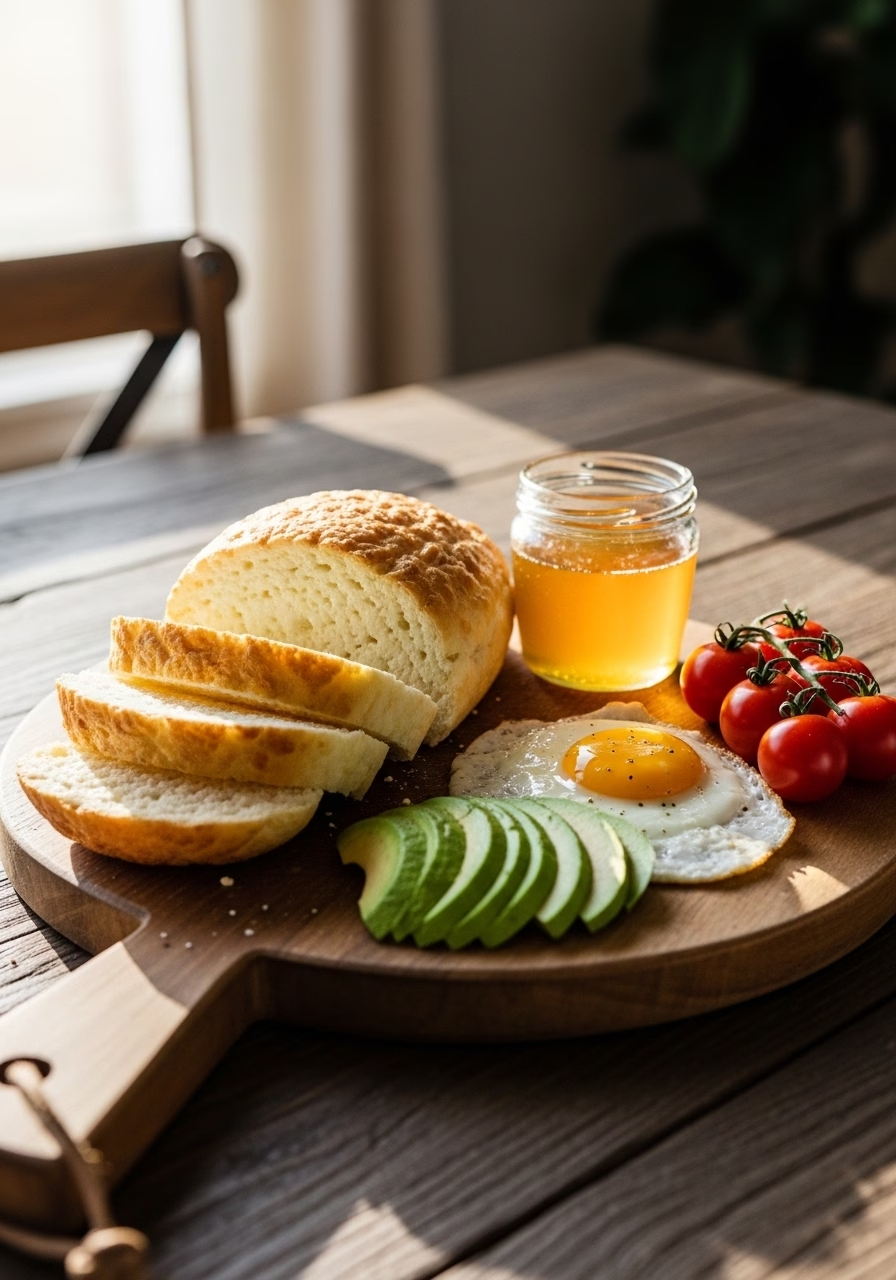
For toast: it’s excellent. The oat-based version develops a slightly crispy exterior in the toaster while staying soft inside. Top it with avocado, nut butter, or a fried egg and you’ve got a breakfast that will keep you genuinely full — not “I think I might be full?” full, but actually full.
Is Cottage Cheese Bread Gluten-Free?
The base recipe — cottage cheese, eggs, and oats — is technically gluten-free in composition. However, standard rolled oats are frequently processed in facilities that also handle wheat, which means cross-contamination is common. If you’re baking for someone with celiac disease or a serious gluten sensitivity, use oats specifically labeled certified gluten-free, or swap oats entirely for almond flour. The almond flour version is inherently and unambiguously gluten-free.
Why Is My Cottage Cheese Bread Soggy or Dense?
This is the most common complaint, and almost every case comes down to one of three things:
- You didn’t blend long enough. Visible curd chunks = uneven moisture = gummy texture. Blend until completely smooth.
- You cut it too soon. The bread needs to cool fully to set its structure. Cutting while hot releases steam and makes the crumb collapse.
- Your oven runs cool. Check your oven temperature with a thermometer. Underbaking is a common culprit — the toothpick test is your friend here.
If your loaf consistently comes out dense, try adding 1 teaspoon of baking powder to the batter. It provides a gentle lift and produces a slightly lighter crumb without changing the flavor.

How to Store and Freeze Cottage Cheese Bread
Because this bread has no preservatives and is quite moist, it doesn’t last as long on the counter as store-bought bread.
- Room temperature: 1–2 days, wrapped in a clean towel or loosely covered
- Refrigerator: Up to 5 days in an airtight container or zip-lock bag
- Freezer: Up to 3 months — slice before freezing so you can grab individual pieces. Toast straight from frozen.
I personally make a loaf on Sunday, slice it, and keep half in the fridge and half in the freezer. Weekday mornings become dramatically easier when your high-protein toast is already waiting for you.
If you loved this recipe as much as we did, don’t forget to leave us a comment below ★★★★★. Follow cookingrecipeshub on Pinterest, Facebook, and Instagram, too!
For more delicious recipes, visit our sister site, servolamag
More Recipes For You To Try!
- Peach Crumb Bars: The Easiest Way to Turn Ripe Peaches Into Pure Gold
- Easy Peach Cobbler Recipe: The Only Guide You’ll Ever Need
- 15 Easy Crockpot Chicken Recipes That Basically Cook Themselves
- Strawberry Rhubarb Pie: The Classic Recipe That Never Gets Old (And Tips to Nail It Every Time)
- Graduation Cupcakes: 15 Easy Ideas to Celebrate the Class of 2026
Quick FAQs
Is cottage cheese bread actually high in protein?
Yes. A standard slice from the oat-based recipe contains roughly 10–13g of protein, compared to around 3–4g in a slice of regular white bread. The combination of cottage cheese and eggs is what drives the protein count up.
Do I need a blender or can I mix by hand?
A blender or food processor gives the best results — it eliminates curd texture entirely. If mixing by hand, use a whisk and mash the cottage cheese as thoroughly as possible beforehand, or strain it first.
Can I add mix-ins to the batter?
Absolutely. Shredded cheese, sun-dried tomatoes, fresh herbs, jalapeño, or seeds all work well. Fold them in after blending so they stay intact. Keep mix-ins to about ¼ cup total so they don’t disrupt the structure.
Can kids eat cottage cheese bread?
It’s one of the best kid-friendly options out there — mild in flavor, soft in texture, and sneakily nutritious. Make a slightly sweet version with a tablespoon of honey and a pinch of cinnamon for younger eaters.