
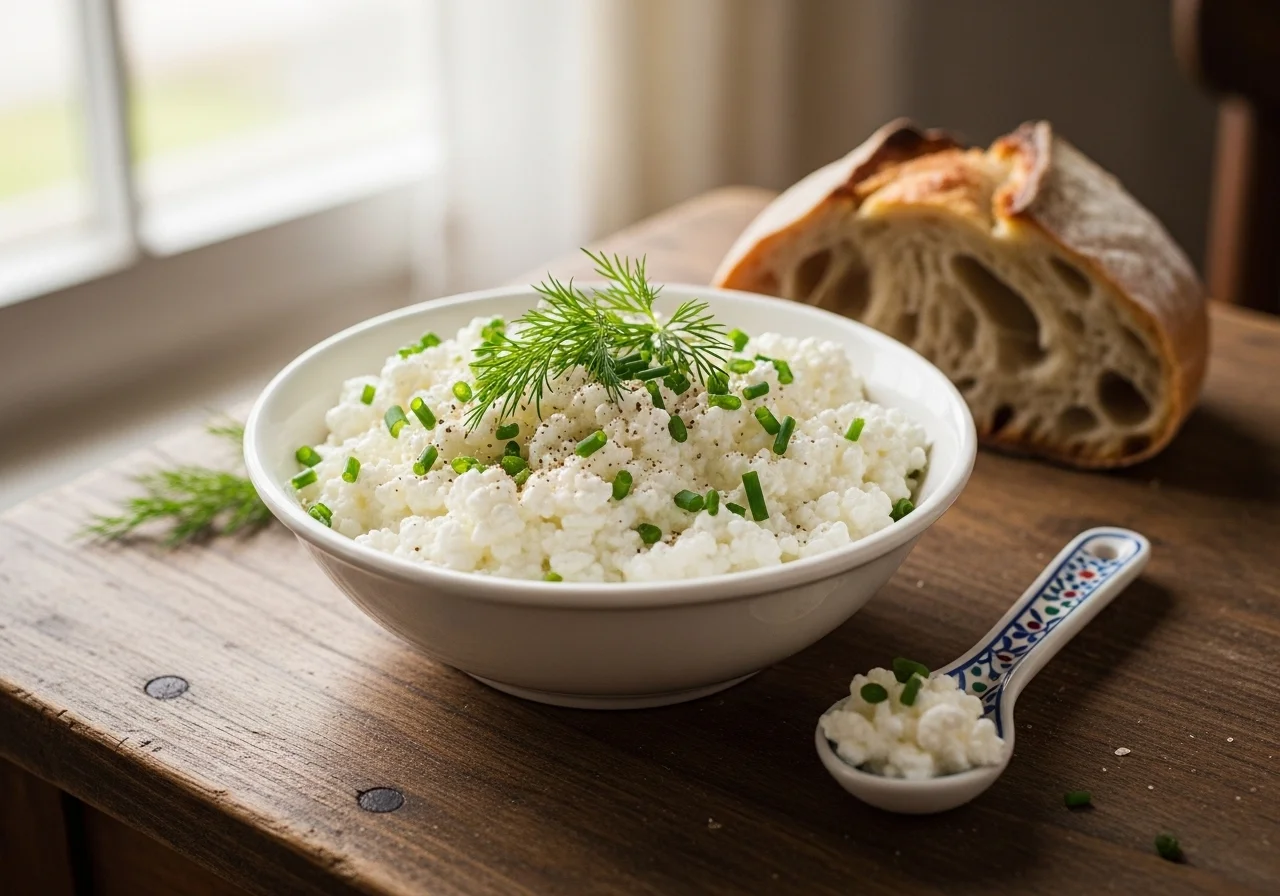
There’s something incredibly satisfying about making your own cottage cheese from scratch. The texture is soft yet slightly curdy, the flavor is fresh and milky, and the process is surprisingly simple. Once you try homemade, store-bought versions will never taste the same again.
This recipe is perfect whether you’re looking for a healthy protein boost or a versatile ingredient for sweet and savory dishes.

How to make cottage cheese at home successfully?
To make cottage cheese, heat whole milk until warm, add an acid like lemon juice or vinegar to curdle it, then strain the curds from the whey. Rinse, season, and mix with cream for a rich, fresh homemade cottage cheese.
Homemade Cottage Cheese
Ingredients
Method
- Heat milk to 190°F
- Add acid and stir
- Let curdle for 10 minutes
- Strain using cheesecloth
- Rinse with cold water
- Add salt and cream
- Chill before serving
Notes
- Use fresh milk for best results
- Adjust salt to taste
Nutrition:
- Calories: 120
- Protein: 11g
- Fat: 5g
- Carbs: 3g
Why This Recipe Works
- Uses simple ingredients you already have at home
- Ready in under 1 hour from start to finish
- Produces a fresh, creamy texture you can customize
- No special equipment required
- A high-protein, healthy option for everyday meals
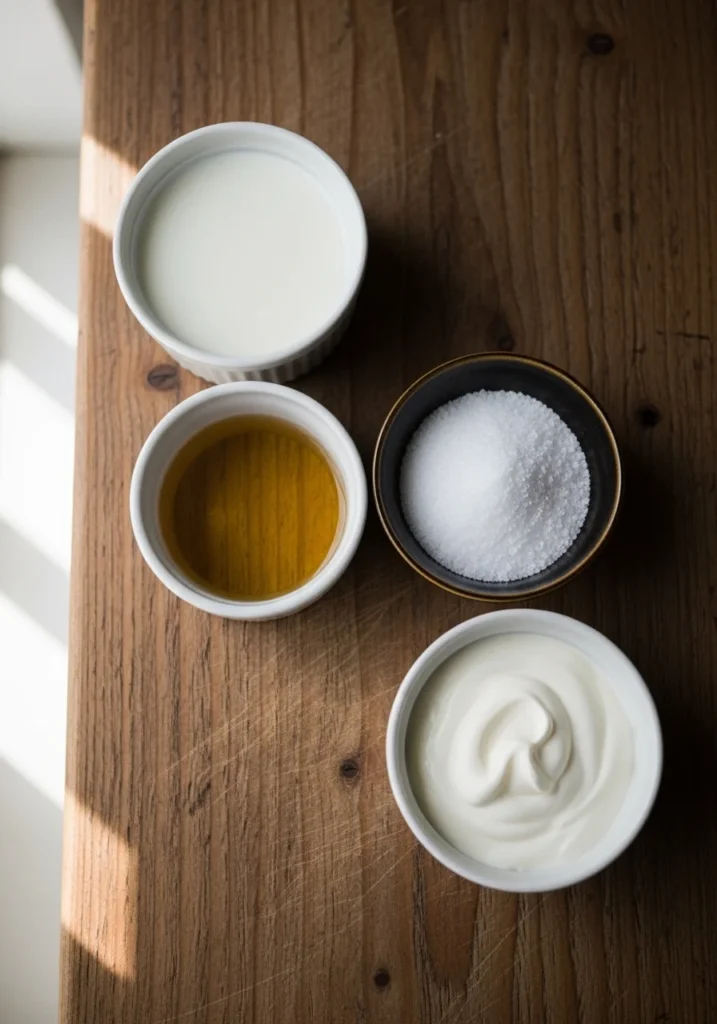
🧂 Ingredients
Main Ingredients:
- 1 gallon whole milk (avoid ultra-pasteurized)
- 1/4 cup white vinegar or lemon juice
- 1/2 teaspoon salt (adjust to taste)
- 1/2 cup heavy cream (optional, for creaminess)
Optional Add-Ins:
- Fresh herbs (chives, parsley)
- Cracked black pepper
- Garlic powder
👩🍳 Step-by-Step Instructions
1. Heat the Milk
Pour the milk into a large pot and heat over medium heat until it reaches about 190°F (just before boiling). Stir occasionally to prevent burning.
2. Add the Acid
Remove from heat and slowly stir in vinegar or lemon juice. You’ll see the milk begin to separate into curds and whey.
3. Let It Rest
Allow the mixture to sit undisturbed for 10–15 minutes to fully curdle.
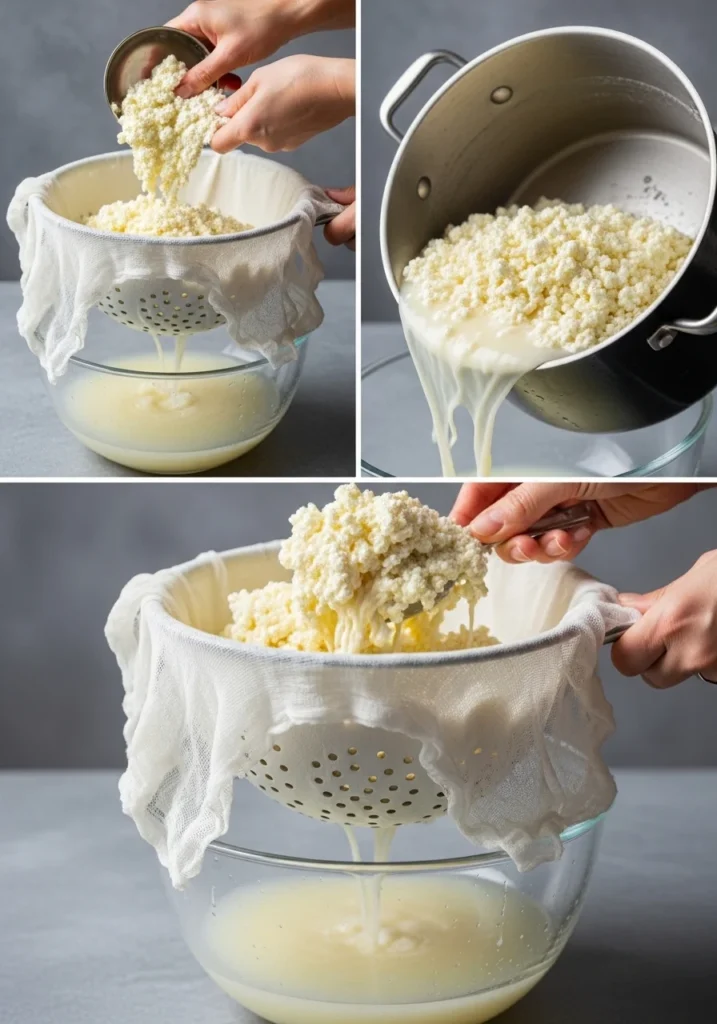
4. Strain the Curds
Pour the mixture through a cheesecloth-lined colander. Let the whey drain away.
5. Rinse the Curds
Rinse gently under cold water to remove excess acidity and cool the curds.
6. Season and Add Cream
Transfer curds to a bowl, add salt, and mix in cream if desired.
7. Chill and Serve
Refrigerate for at least 1 hour before serving for the best texture.
Pro Tips for Best Results
- Use high-quality milk: Fresh, full-fat milk delivers the best flavor and texture
- Don’t overheat: Boiling milk can create tough curds
- Cut curds gently: Handle lightly to maintain soft texture
- Adjust creaminess: Add more cream for richer cottage cheese
- Taste as you go: Salt levels can vary depending on preference
👉 Chef’s insight: Letting the curds rest longer before straining creates larger, softer curds—perfect for a traditional cottage cheese texture.
Common Mistakes to Avoid
- Using ultra-pasteurized milk (won’t curdle properly)
- Skipping the rinsing step (results in sour taste)
- Over-stirring the curds (breaks them down too much)
- Not draining enough whey (leads to watery texture)
- Adding too much acid (makes cheese rubbery)
Serving Suggestions
- Serve with fresh fruit and honey for breakfast
- Spread on toast with avocado and tomatoes
- Add to salads for extra protein
- Use in pancakes or baked dishes
- Pair with olive oil, herbs, and crusty bread
FAQs (Frequently Asked Questions)
1. Can I use low-fat milk?
Yes, but the texture will be less creamy. Whole milk gives the best results.
2. How long does homemade cottage cheese last?
It stays fresh for 4–5 days in the refrigerator when stored in an airtight container.
3. Can I freeze cottage cheese?
Freezing is not recommended as it changes the texture and makes it grainy.
4. What can I do with leftover whey?
Use it in smoothies, baking, or soups—it’s rich in nutrients.
5. Why didn’t my milk curdle?
This usually happens if the milk is ultra-pasteurized or not heated enough.
If you loved this recipe as much as we did, don’t forget to leave us a comment below. ★ Follow cookingrecipeshub on Pinterest, Facebook, and Instagram, too!
For more delicious recipes, visit our sister site, servolamag
Other Related Recipes:
How to Make the Best Oyster Mushroom Recipe at Home
Homemade Sandwich Bread Recipe for Beginners
Variations & Substitutions
Dairy-Free Option:
- Use almond or soy milk with a coagulant (texture will differ)
Flavor Variations:
- Add herbs for savory cottage cheese
- Mix with berries and maple syrup for a sweet version
Storage Tips
- Store in an airtight container in the fridge
- Stir before serving to restore texture
- Keep whey mixed in for longer freshness
Conclusion
Making cottage cheese at home is easier than most people think. With just a few simple ingredients and a little patience, you can create a fresh, creamy, and nutritious cheese that’s far superior to store-bought options.
Once you master this recipe, it will quickly become a staple in your kitchen.
4 thoughts on “The Best Homemade Cottage Cheese Recipe (Fresh, Creamy & Easy)”
Comments are closed.