
Creamy, Dreamy & Foolproof — The Only Recipe You'll Ever Need
The Cheesecake That Actually Lives Up to the Hype
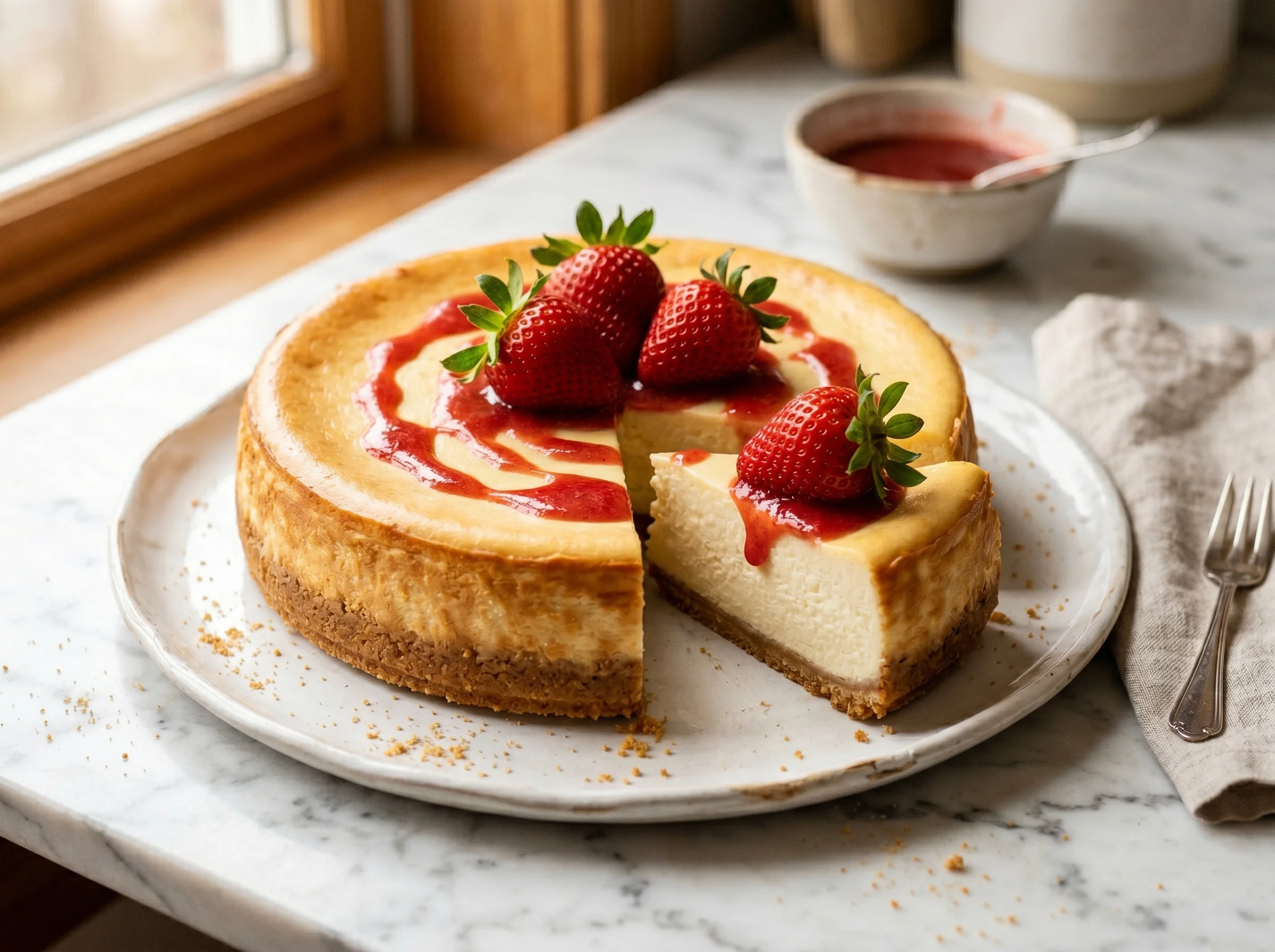
Let me paint you a picture. It’s a Sunday afternoon, your kitchen smells like butter and vanilla, and on your counter sits a cheesecake so perfectly smooth it could double as a mirror. That’s not a fantasy — that’s what happens when you nail the Philadelphia cream cheesecake recipe.
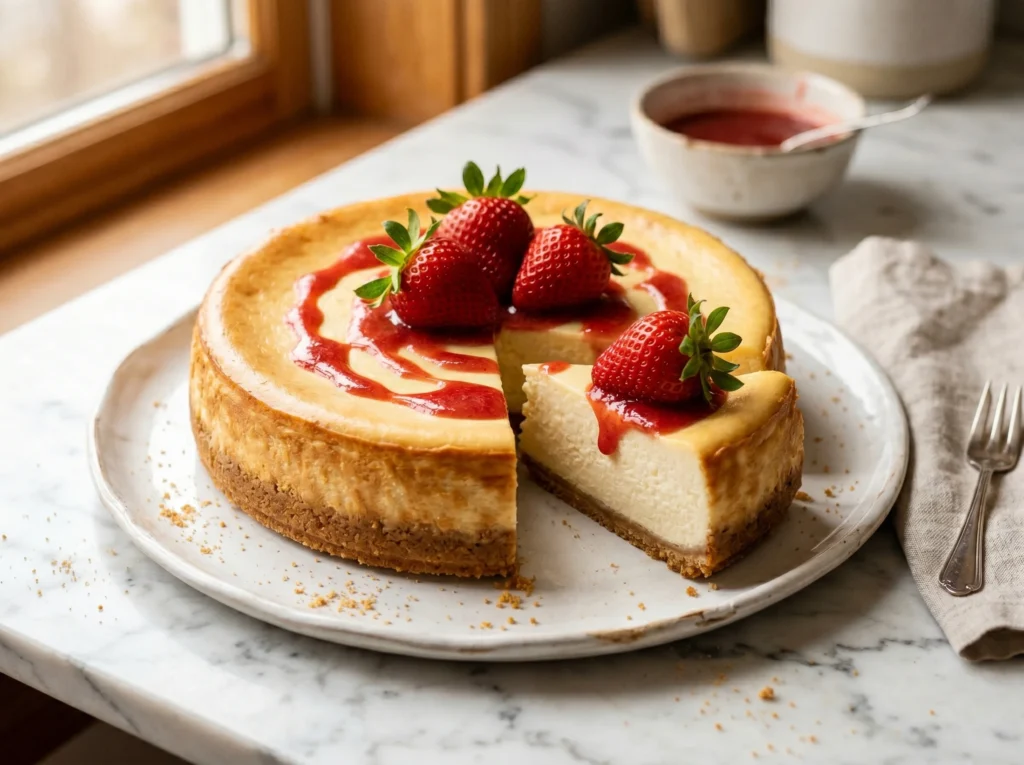
I’ve made cheesecake at least a dozen times, and I’ll be honest: I failed more than I succeeded. Cracks, sunken middles, grainy textures — the classic disasters. Then I discovered the magic of Philadelphia cream cheese and everything changed. The brand’s higher fat content and signature silkiness makes it, without exaggeration, the gold standard for homemade cheesecake.
Whether you’re making this for a holiday table, a birthday, or just because Tuesday needs to be better — this guide covers the full baked version, the no-bake version, tips to avoid cracks, the best toppings, and every FAQ you’ve ever had about cheesecake. Let’s get into it.
What Is a Philadelphia Cheesecake — And Why Is It Different?
Great question. A Philadelphia cheesecake specifically uses Philadelphia-brand cream cheese as its base, and that matters more than you’d think. Here’s a quick side-by-side:
| Feature | Philadelphia Cheesecake | Classic / New York Cheesecake |
|---|---|---|
| Base | Philadelphia cream cheese (full-fat block) | Generic cream cheese or ricotta |
| Texture | Ultra-silky, smooth, dense-creamy | Can vary — sometimes grainier |
| Flavor | Rich, tangy, clean dairy taste | Varies by brand & recipe |
| Baking | Lower temp, optional water bath | Often higher temp, longer bake |
| Result | Consistent no-crack perfection | More variable |
The bottom line? Philadelphia cream cheese has a slightly higher fat content and a creamier consistency straight out of the box. That translates directly into a smoother, silkier filling with less effort on your part.
And yes — you can use the cream cheese spread in a pinch, but I’d steer you toward the block form. Spreads contain extra stabilizers and air that can mess with your texture. Block it up.
The Best Philadelphia Cream Cheesecake Recipe (Baked)
This is the one. The recipe that’s become non-negotiable in my household. Rich, ultra-creamy, smooth as a jazz record — and shockingly simple to pull off.
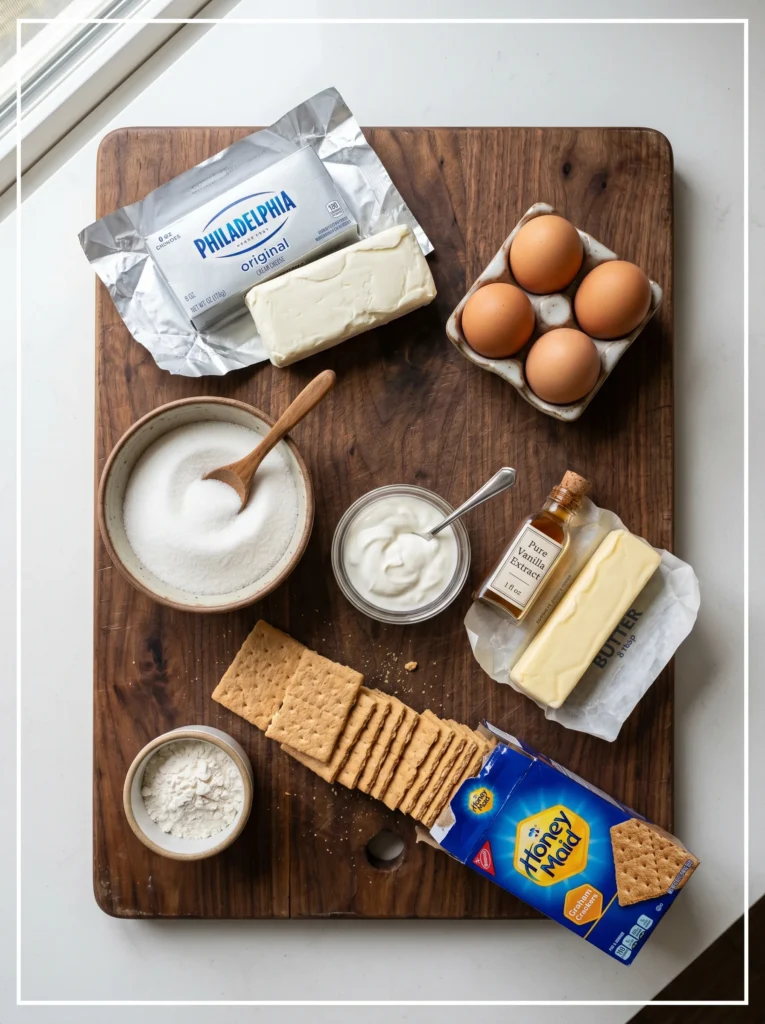
🧱 For the Graham Cracker Crust
- 1½ cups (180g) graham cracker crumbs
- ⅓ cup (75g) unsalted butter, melted
- 3 tablespoons granulated sugar
- Pinch of salt
🥣 For the Cheesecake Filling
- 4 blocks (32 oz / 900g) Philadelphia full-fat cream cheese, room temperature
- 1¼ cups (250g) granulated sugar
- 1 cup (240ml) full-fat sour cream
- 4 large eggs, room temperature
- 2 teaspoons pure vanilla extract
- 2 tablespoons all-purpose flour (optional, helps with stability)
📋 Instructions
- Prep your oven & pan. Preheat oven to 325°F (163°C). Grease a 9-inch springform pan and wrap the outside tightly with two layers of heavy-duty aluminum foil.
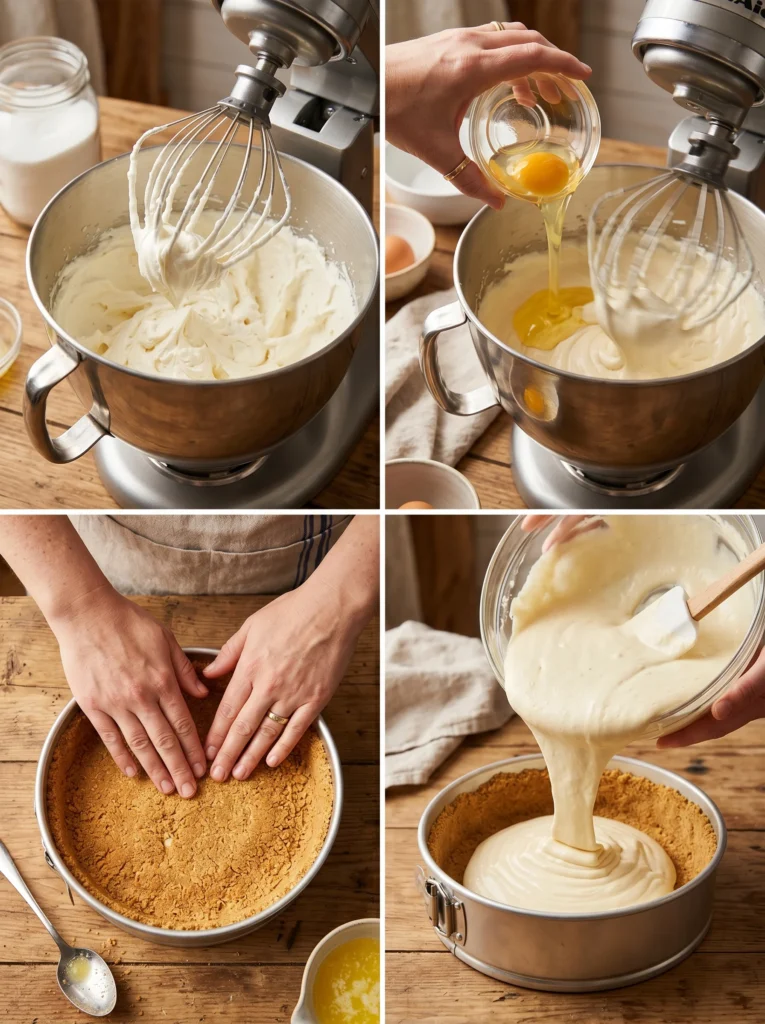
- Make the crust. Mix graham cracker crumbs, melted butter, sugar, and salt until it resembles wet sand. Press firmly into the bottom of the pan, slightly up the sides. Bake for 10 minutes, then cool completely.
- Beat the cream cheese. Using a stand or hand mixer on medium, beat room-temperature Philadelphia cream cheese until completely smooth — about 2 minutes. No lumps allowed.
- Add sugar & sour cream. Scrape the bowl. Add sugar and beat until combined. Mix in sour cream and vanilla extract on low speed.
- Add eggs one at a time. Drop in eggs one by one on low, mixing just until each is incorporated. Overmixing = too much air = cracks. Be gentle.
- Pour & water bath. Pour the filling over the cooled crust. Place the springform pan in a larger roasting pan and add 1 inch of hot water.
- Bake. Bake at 325°F for 60–70 minutes. Edges will be set; the center should have a gentle wobble — like Jell-O, not liquid.
- Cool slowly. Turn off the oven, crack the door open, and leave the cheesecake inside for 1 hour. This slow cool is your secret weapon against cracks.
- Chill overnight. Remove from oven, cool to room temp, then refrigerate for at least 4 hours — overnight is ideal. Yes, the wait is hard. Yes, it’s worth it.
Total prep: 25 min | Bake: 65 min | Chill: 4 hrs minimum | Serves: 12 slices
The No-Bake Philadelphia Cheesecake (For When You Can’t Wait)
Maybe your oven’s broken or it’s the middle of July and turning on the heat feels like a personal insult. I get it. The no-bake Philadelphia cheesecake is a legitimate, delicious alternative that sets in the fridge with zero oven time.
What You’ll Need
- 2 blocks (16 oz) Philadelphia cream cheese, softened
- ¾ cup (90g) powdered sugar
- 1 teaspoon vanilla extract
- 1 cup (240ml) heavy whipping cream, whipped to stiff peaks
- Prepared graham cracker crust (unbaked)
Method
- Beat cream cheese until fluffy. Add powdered sugar and vanilla. Mix until smooth and lump-free.
- Fold in whipped cream gently — this keeps it light and mousse-like.
- Pour over crust, smooth the top, and refrigerate for at least 6 hours (overnight preferred).
- Top with your favorites and serve cold.
The no-bake version is softer and lighter than the baked — think cheesecake mousse in a crust. Genuinely delightful, no water bath required.
7 Pro Tips for the Perfect Philadelphia Classic Cheesecake
- Always use full-fat, block cream cheese. The difference in texture versus low-fat or spreadable is night and day.
- Room temp everything. Pull your cream cheese, eggs, and sour cream out of the fridge 1–2 hours before you start.
- Don’t overmix. Once the eggs go in, switch to low speed and mix just until combined. Less air = less cracking.
- The slow cool is sacred. Do not skip cracking the oven door after baking. This is the single biggest crack-prevention move.
- Use a 9-inch springform pan. It makes unmolding clean and effortless every time.
- Run a knife around the edge immediately. Right when it comes out of the oven, run a thin knife around the inside edge. This lets the cheesecake contract freely as it cools.
- Go overnight on the chill. Yes, I said it twice. It’s that important. Full rest before slicing = clean, beautiful cuts.
Your Top Questions Answered
What is the best Philadelphia cream cheesecake recipe?
Do I really need a water bath?
Why did my Philadelphia cheesecake crack?
How do I make Philadelphia cheesecake extra creamy?
How long should Philadelphia cheesecake bake?
Can I make Philadelphia cream cheesecake ahead of time?
How long should cheesecake chill before serving?
What crust works best for Philadelphia cheesecake?
Can I use Philadelphia cream cheese spread for cheesecake?
Can I make a no-bake Philadelphia cheesecake?
What toppings go best with Philadelphia cream cheesecake?
Best Toppings for Philadelphia Cream Cheesecake
The filling is rich and creamy, which means it can handle almost anything you throw at it. Here are the crowd favorites:
| 🍓 Classic | 🫐 Fruity & Fresh | 🍫 Indulgent |
|---|---|---|
| Fresh strawberries | Mango puree | Salted caramel drizzle |
| Whipped cream | Blueberry compote | Chocolate ganache |
| Powdered sugar | Lemon curd | Peanut butter swirl |
| Cherry topping | Raspberry sauce | Nutella ribbon |
And if you love pairing your cheesecake with a creamy frozen dessert, our The Ultimate Cuisinart Ice Cream Recipe Guide has incredible homemade ice cream recipes that would complement a cheesecake dessert table beautifully.
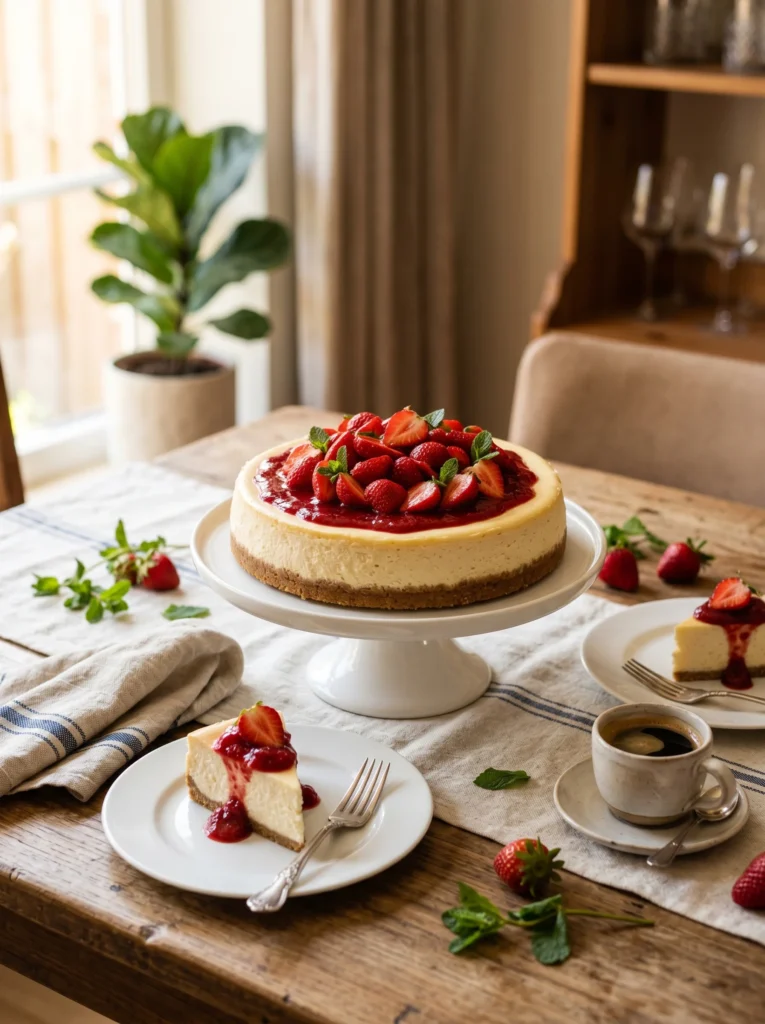
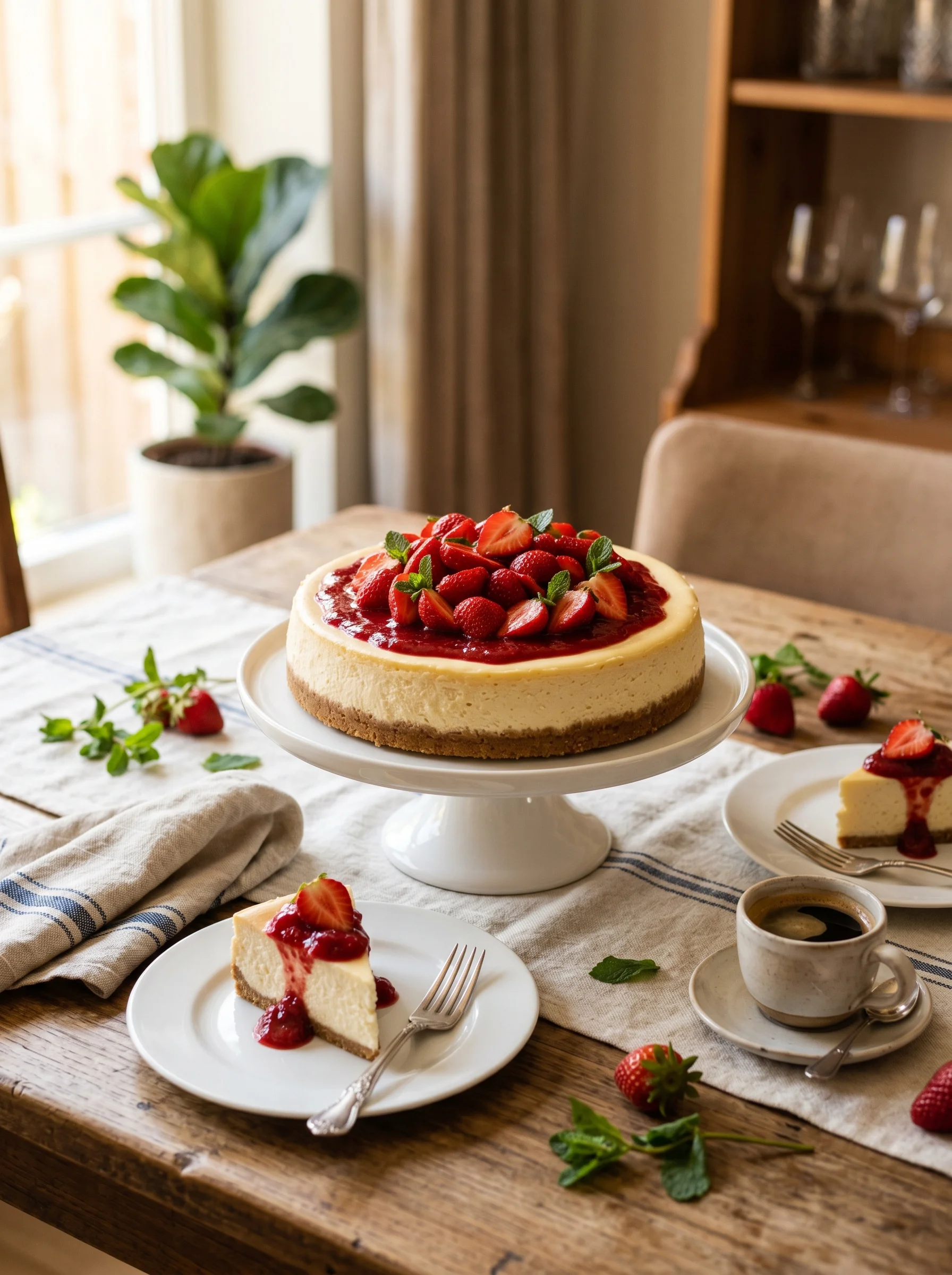

Philadelphia Cream Cheesecake Recipe
Ingredients
Method
- Preheat oven to 325°F (163°C). Grease 9-inch springform pan; wrap outside with foil.
- Mix crust ingredients. Press into pan. Bake 10 min. Cool completely.
- Beat cream cheese on medium until completely smooth.
- Add sugar, sour cream, and vanilla. Mix on low.
- Add eggs one at a time on low — mix just until combined.
- Pour filling over crust. Place in roasting pan with 1 inch hot water.
- Bake 60–70 min until edges are set and center jiggles gently.
- Turn off oven, crack door, leave cheesecake inside for 1 hour.
- Cool to room temp. Refrigerate overnight before serving.
Notes
- Always use full-fat Philadelphia block cream cheese, not the spread.
- All ingredients must be at room temperature before mixing.
- Do not overmix after adding eggs — this prevents cracking.
- The slow oven cool is the most important crack-prevention step.
- Keeps covered in the fridge for up to 5 days.
- Can be frozen (without toppings) for up to 2 months.
Final Thoughts: Make This Cheesecake This Weekend
There’s something genuinely satisfying about making a cheesecake that looks like it came from a patisserie — especially when you know exactly what went into it. No mystery ingredients. No fancy equipment. Just real, quality ingredients and a little patience.
The Philadelphia cream cheesecake recipe is forgiving, adaptable, and endlessly delicious. Go baked for that dense, restaurant-style slice. Go no-bake for a lighter, more casual version. Either way, you’re going to be very popular at your next gathering.
So go ahead — grab those cream cheese blocks, crush those graham crackers, and get baking. Your future self (and everyone who eats a slice) will thank you.
🍰 Tried This Recipe?
Drop a comment below with your results, your topping of choice, or any questions. I read them all. Happy baking!
Other Delicious Recipes You’ll Love
- Peach Crumb Bars: The Easiest Way to Turn Ripe Peaches Into Pure Gold
- Easy Peach Cobbler Recipe: The Only Guide You’ll Ever Need
- 15 Easy Crockpot Chicken Recipes That Basically Cook Themselves
- Strawberry Rhubarb Pie: The Classic Recipe That Never Gets Old (And Tips to Nail It Every Time)
- Graduation Cupcakes: 15 Easy Ideas to Celebrate the Class of 2026
If you loved this recipe as much as we did, don’t forget to leave us a comment below ★★★★★. Follow cookingrecipeshub on Pinterest, Facebook, and Instagram, too!
For more delicious recipes, visit our sister site, servolamag